What Could Dangote Be Planning to Do With 500,000 Tonnes of Cocoa?
When Africa’s richest man starts looking at a commodity industry, the interesting question is not only what he wants to buy, but what he could be planning to build around it.
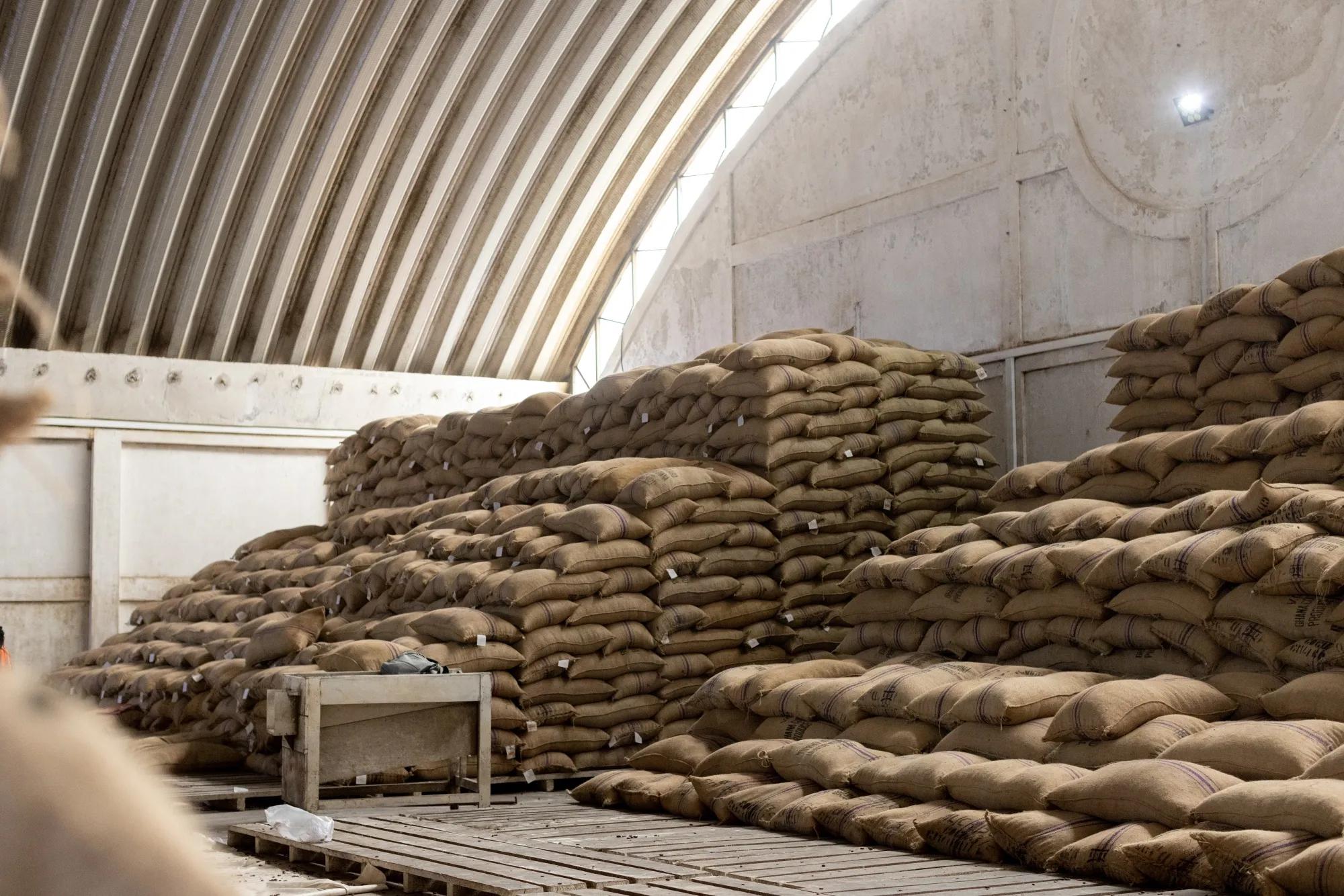
Aliko Dangote is reportedly in talks with Ghana’s government over a proposal involving 500,000 metric tonnes of cocoa for local processing. Ghana’s Finance Minister, Cassiel Ato Forson, disclosed that Dangote had approached both him and President John Dramani Mahama about establishing Ghana as a cocoa-processing hub. The proposal is still being negotiated. No contract has been signed, and it remains unclear whether the 500,000 tonnes refers to an annual volume.
But why Ghana, and why cocoa?
Ghana is one of the world’s leading cocoa producers, yet much of the value generated from cocoa processing happens outside the countries where the beans are grown. Processing cocoa into butter, powder, liquor and chocolate creates additional products for food manufacturers, cosmetics companies and other industries.
Ghana wants to change that. Its government is targeting local processing of at least 50% of its cocoa by 2028, with ambitions to reach 100% by 2030. It is an attempt to move beyond exporting raw beans and retain more industrial and economic value within the country.
Dangote’s proposed involvement could therefore arrive at a strategic moment. Ghana is actively seeking investors to expand processing, while existing factories have struggled with bean supply shortages and utilisation challenges. The opportunity may not necessarily be in building another factory, but in finding a way to make processing commercially viable at scale.
What could Dangote see in this?
Processing cocoa opens the door to more than chocolate production. Cocoa butter is used in confectionery and cosmetics, while cocoa powder supplies food and beverage manufacturers. Cocoa processing could potentially give Dangote access to multiple industrial customers, product categories and markets rather than a single commodity.
His scale of operations could also offer advantages in procurement, logistics, financing and distribution. If Ghana becomes a processing base, processed cocoa products could potentially reach manufacturers across West Africa and other international markets.
However, the opportunity comes with a major question: where will the cocoa come from?
A proposed 500,000 tonnes is a substantial volume against Ghana’s reported 771,000-tonne crop for the 2025/26 season. If that proposal represents annual processing, it would place significant pressure on bean supply, particularly when existing processors are already competing for raw materials.
Ghana may be trying to attract industrial investment, but investment alone cannot solve shortages in agricultural production.
Dangote’s proposal raises a bigger question for investors looking at Africa’s commodity industries: are the opportunities always in producing more raw materials, or could the greater value lie in building businesses around what Africa already produces?
Ghana’s cocoa industry may offer an answer. And Dangote’s interest has given investors another reason to look closer.