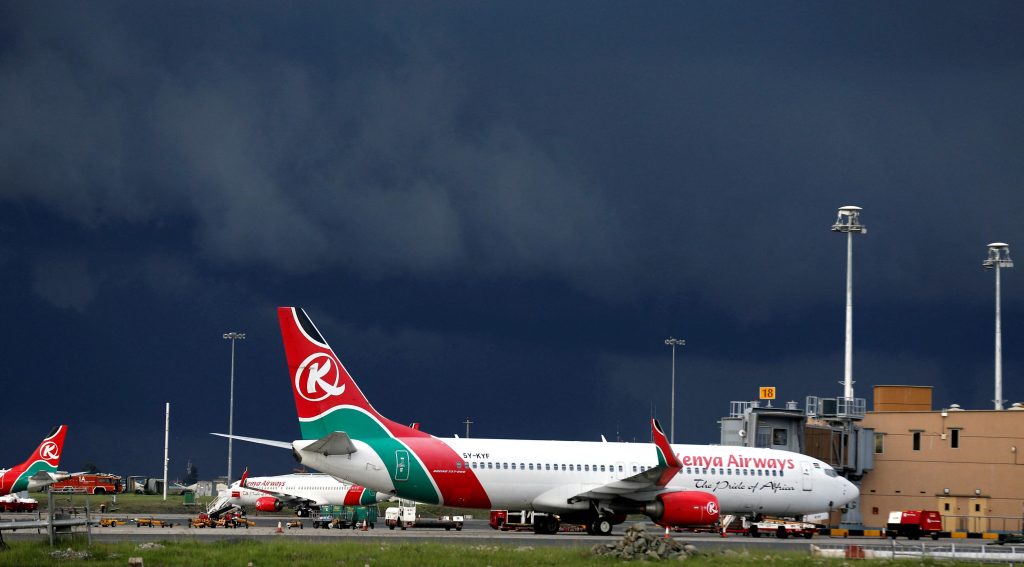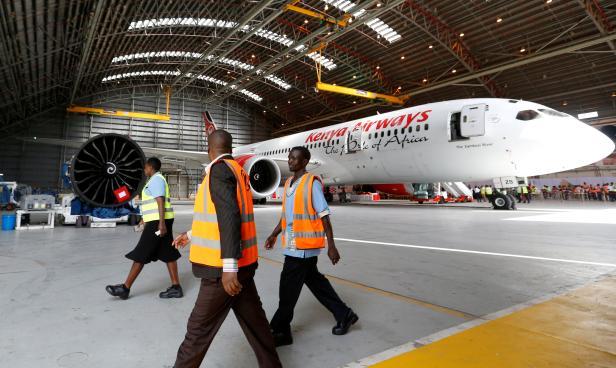
Kenya Airways is looking for $1.5 billion in fresh capital. But for an airline that has spent years battling losses, debt and operational challenges, the bigger question is whether that money can do more than keep it flying.
The Kenyan national carrier plans to raise the funds through a combination of debt and equity from a strategic investor by mid-2027. According to its chairman, Kiprono Kittony, the airline is preparing an information memorandum to begin presenting the investment opportunity to potential partners, including other airlines and sovereign wealth funds.
Why does Kenya Airways need this much money?
The airline’s financial position has been under considerable pressure. Its liabilities have exceeded its assets, leaving it with negative equity, while its operations have been affected by higher fuel costs, maintenance delays, grounded aircraft and shortages of spare parts. It also issued a profit warning, expecting its 2026 earnings to fall by at least 25% compared with the previous year.
Yet the airline’s problems aren’t necessarily a reflection of a lack of demand for air travel. Kenya Airways has continued generating revenue despite reduced operating capacity. In the first half of 2026, its revenue increased by 9% even as capacity fell by 9%, suggesting there may be more business to capture if the airline can get more aircraft operating reliably.
This is where the proposed investment becomes interesting.
The $1.5 billion is expected to support a wider turnaround, but Kenya Airways needs to address several problems simultaneously. It needs to strengthen its balance sheet, manage debt, restore aircraft availability, improve operations and potentially expand its fleet. Capital could help finance these efforts, but the airline’s ability to turn that investment into sustainable profitability will depend on how it is deployed.
Kenya Airways has also been exploring ways to restructure its government debt and improve its financial position before bringing in a strategic partner. The Kenyan government has approved a shareholder loan and plans to convert existing government loans into equity-qualifying instruments, measures intended to strengthen the airline’s balance sheet and improve its ability to attract investors.
But what would an investor actually be getting into?
Kenya Airways has an established international network, a presence at Nairobi’s Jomo Kenyatta International Airport, cargo operations and an aviation market that connects East Africa to international destinations. A strategic partner could potentially bring more than financing. Depending on the investor, it could offer aircraft, technical expertise, operational efficiencies, commercial partnerships or access to new markets.
However, the risks are equally significant. Aviation is a capital-intensive business where fuel, maintenance, aircraft leasing, currency exposure and competition can quickly erode margins. Kenya Airways has to demonstrate that it can operate more efficiently, not simply raise more money.
The airline’s search for a strategic investor therefore raises a broader question about African aviation: when an airline already has routes, infrastructure, passengers and regional relevance, what is preventing it from translating those advantages into sustainable profits?
Kenya Airways is seeking $1.5 billion to change its trajectory. Whether that capital becomes a turning point or another expensive attempt to stabilise the airline will depend on what happens after the deal is signed.