KAMPALA, Uganda — The Government of Uganda has reported steady progress in promoting the use of mother languages in schools as part of efforts to improve education quality and preserve cultural heritage.
Peace Regis Mutuuzo, Minister of State for Gender and Culture, said Uganda continues to support linguistic diversity and multilingual education across the country. She made the remarks ahead of International Mother Language Day, which is observed globally every February 21.
Teaching in Local Languages
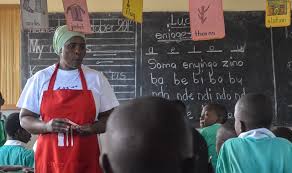
The minister explained that Uganda’s education policy encourages children to be taught in their mother tongue from early childhood up to Primary Four. She noted that learning in a first language helps children understand concepts better, perform well in school, and maintain their cultural identity.
Mother languages are also taught at primary, secondary, and university levels to strengthen national identity and cultural pride. According to the ministry, this approach supports both academic success and social inclusion.
Language and National Development
Mutuuzo emphasized that language plays a key role in cultural identity, unity, and sustainable development. She added that Uganda’s language policy aligns with the vision of the African Union, which recognizes African languages as important tools for integration and socio-economic transformation.
Uganda works closely with the African Academy of Languages to promote and harmonize African languages. Efforts include developing writing systems (orthography), creating terminology, translating materials, and increasing the use of local languages in education, governance, media, and public communication.
Harnessing Technology
This year’s national celebrations are being held under the theme: “Languages Matter: Harnessing Technology to Document and Develop Uganda’s Indigenous Languages.”
Officials say digital tools are now being used to record, preserve, and promote indigenous languages, especially those at risk of disappearing. Technology is also helping in creating online dictionaries, educational content, and digital archives.
Uganda’s Linguistic Diversity
Uganda is home to more than 40 indigenous languages, mainly from the Bantu, Nilotic, and Central Sudanic language families. The government believes protecting these languages is essential for maintaining cultural diversity and strengthening national unity.
As Uganda marks International Mother Language Day, leaders say continued investment in mother tongue education will help build a more inclusive and culturally proud nation.