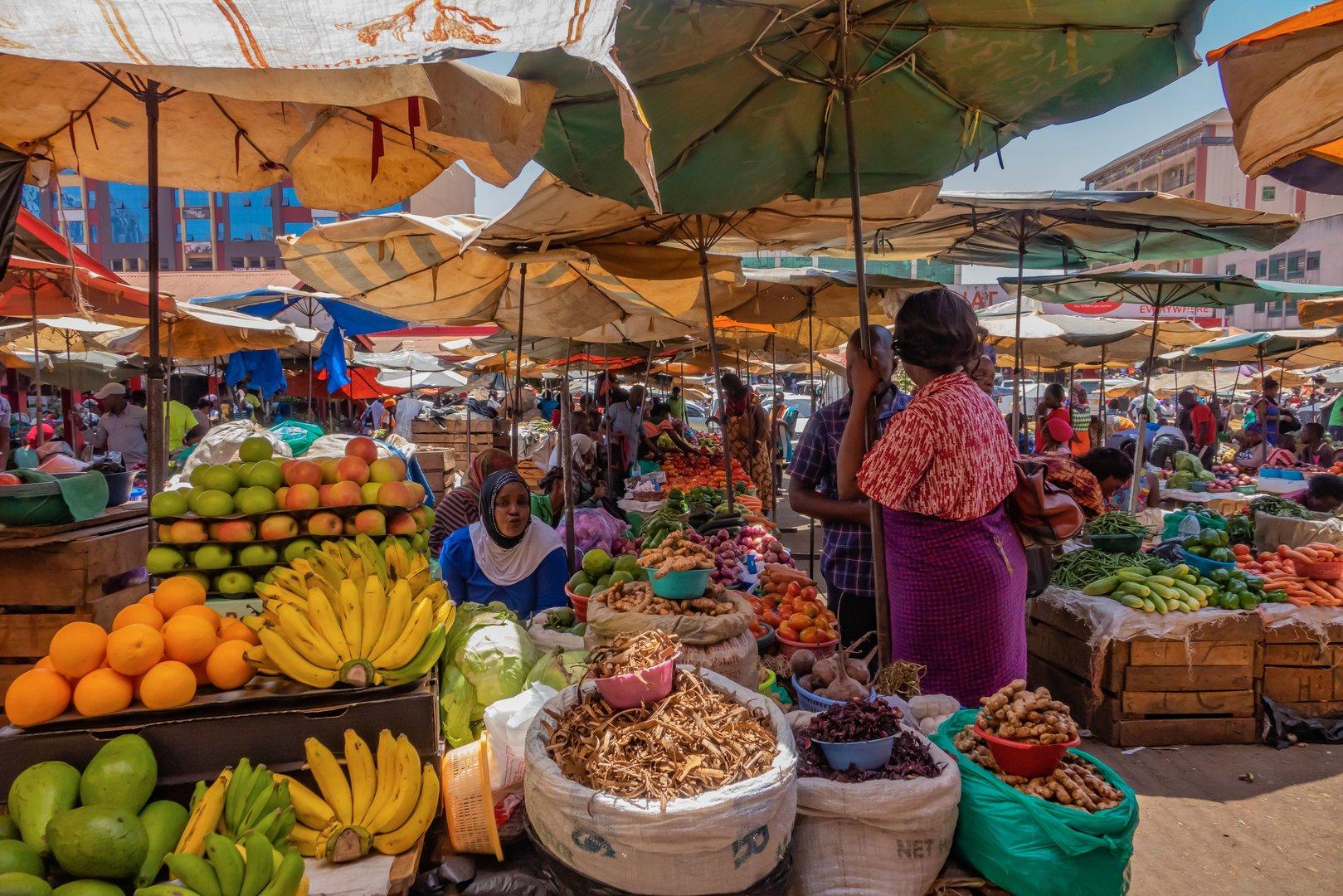





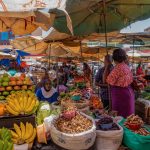

# Uganda's Double Economic Squeeze: Why Are Businesses and Households Feeling the Pressure? Imagine running a business in Uganda today. The cost of replacing imported stock is rising, fuel and transport are becoming more expensive, and borrowing money to keep the business running is no longer as affordable as it was a few months ago. Now imagine being a customer whose salary has remained the same while the prices of food, transport and other essentials continue to rise. This is the economic pressure increasingly facing Uganda. Households are struggling with the cost of living, while businesses are navigating rising operating expenses and more expensive credit. But how did these pressures come together, and what do they mean for the country's economic growth? **Why are everyday expenses becoming more expensive?** One major factor is the weakening Ugandan shilling. When the local currency loses value against the US dollar, businesses that depend on imported products, machinery, fuel and raw materials need more shillings to pay for the same purchases. The effect can travel through the supply chain. Importers face higher replacement costs, distributors pay more to move goods, and retailers may eventually adjust their prices. Consumers then encounter more expensive products, even when their incomes have not increased. Fuel prices add another layer of pressure because transportation is essential to moving agricultural produce, manufactured goods and everyday supplies across the country. Uganda's annual headline inflation reached 5.8% in October 2026, compared with 4.6% in September, according to the Uganda Bureau of Statistics. Rising food, fuel and transport costs contributed to the increase. **Why are loans becoming another problem?** As inflationary and currency pressures build, the Bank of Uganda has tightened monetary policy. On October 14, 2026, it raised its Central Bank Rate from 9.75% to 12%, intending to contain inflation and limit further pressure from rising energy prices and exchange-rate depreciation. Commercial banks have responded with higher lending rates. Absa, for example, increased its shilling prime lending rate from 19.5% to 21.75% from November 1. Other banks have also announced adjustments. For businesses, this creates a difficult situation. A company that needs a loan to purchase inventory, acquire equipment or expand operations may now face higher financing costs. For smaller businesses, the decision becomes even more difficult: borrow at a higher cost, postpone expansion, reduce spending or rely on existing cash reserves. **What does this mean for Uganda's business environment?** The pressure on households and businesses is connected. When consumers spend more on food, transport and essential goods, they have less money available for other purchases. Businesses outside those essential sectors may experience weaker demand. At the same time, companies are paying more to operate and potentially more to borrow. They must decide whether to absorb these expenses, increase selling prices or reduce other costs. Each option can affect profitability, customer demand, employment and investment. Yet the picture is not entirely one of economic contraction. Uganda's September 2026 economic performance report recorded a Purchasing Managers' Index of 53, indicating that private-sector business conditions were still expanding, although the pace had moderated from August. **Where does the opportunity lie?** For businesses operating in Uganda, this environment makes cash-flow management, cost control and careful investment decisions increasingly important. It also highlights opportunities in local manufacturing, agricultural value addition, efficient logistics and businesses that can reduce dependence on expensive imported inputs. For international investors, Uganda presents a market where demand and business activity continue to exist, but operating costs, currency movements and access to affordable financing require close attention. The bigger question is not simply whether Uganda's economy will continue to grow. It is whether households and businesses can participate in that growth when the cost of living and the cost of doing business are both rising. Because economic growth means more when businesses can afford to expand, households can afford to spend, and investment can translate into sustainable opportunities.

Uganda’s Economy Is Growing. So Why Are Businesses Feeling the Squeeze?

Can The Gambia Fix Its Electricity Problem and Unlock New Business Opportunities?

What Do Power Cuts Reveal About Doing Business in The Gambia?

Kenya Has Abundant Renewable Energy. So Why Are Businesses Still Paying So Much for Electricity? Imagine running a factory in a country known for its geothermal energy, wind farms and hydropower, only to find that electricity remains one of your biggest operating expenses. That is the contradiction facing businesses in Kenya. The country has built a strong renewable electricity sector. In 2023, nearly 90% of its electricity generation came from renewable sources, including geothermal, hydropower, wind and solar. Yet businesses continue to face electricity prices that can make manufacturing more expensive and weaken their ability to compete with producers in other markets. (International Energy Agency) If Kenya generates so much renewable electricity, why hasn't that translated into cheaper powe

Kenya Has Abundant Renewable Energy. So Why Are Businesses Still Paying So Much for Electricity?

Ghana’s Cocoa Crisis: The Business Opportunities Behind a Struggling Industry 2026/2027

Ghana’s Cocoa Crisis: The Business Opportunities Behind a Struggling Industry

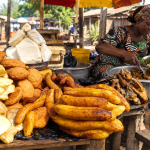
What can a woman selling akara by the roadside tell us about Nigeria’s food economy?

What Can an Akara Seller Tell You About Nigeria’s $11 Billion Food Industry?

A Look at the Global Film Industries Uganda Looks Up To

ECSA-HC Calls on Africa to Take Lead in Global Health Governance

Kenya Launches Astro-Tourism with Blood Moon Eclipse Experience in Samburu

Barack Obama Hails Raila Odinga as a ‘True Champion of Democracy’ in Heartfelt Tribute

Report Reveals President Ruto’s Office Spent Ksh 2 Million Daily on Printing and Ksh 1 Billion on Advisors Amid Budget Concerns

Latest Posts

View All
# Uganda's Double Economic Squeeze: Why Are Businesses and Households Feeling the Pressure? Imagine running a business in Uganda today. The cost of replacing imported stock is rising, fuel and transport are becoming more expensive, and borrowing money to keep the business running is no longer as affordable as it was a few months ago. Now imagine being a customer whose salary has remained the same while the prices of food, transport and other essentials continue to rise. This is the economic pressure increasingly facing Uganda. Households are struggling with the cost of living, while businesses are navigating rising operating expenses and more expensive credit. But how did these pressures come together, and what do they mean for the country's economic growth? **Why are everyday expenses becoming more expensive?** One major factor is the weakening Ugandan shilling. When the local currency loses value against the US dollar, businesses that depend on imported products, machinery, fuel and raw materials need more shillings to pay for the same purchases. The effect can travel through the supply chain. Importers face higher replacement costs, distributors pay more to move goods, and retailers may eventually adjust their prices. Consumers then encounter more expensive products, even when their incomes have not increased. Fuel prices add another layer of pressure because transportation is essential to moving agricultural produce, manufactured goods and everyday supplies across the country. Uganda's annual headline inflation reached 5.8% in October 2026, compared with 4.6% in September, according to the Uganda Bureau of Statistics. Rising food, fuel and transport costs contributed to the increase. **Why are loans becoming another problem?** As inflationary and currency pressures build, the Bank of Uganda has tightened monetary policy. On October 14, 2026, it raised its Central Bank Rate from 9.75% to 12%, intending to contain inflation and limit further pressure from rising energy prices and exchange-rate depreciation. Commercial banks have responded with higher lending rates. Absa, for example, increased its shilling prime lending rate from 19.5% to 21.75% from November 1. Other banks have also announced adjustments. For businesses, this creates a difficult situation. A company that needs a loan to purchase inventory, acquire equipment or expand operations may now face higher financing costs. For smaller businesses, the decision becomes even more difficult: borrow at a higher cost, postpone expansion, reduce spending or rely on existing cash reserves. **What does this mean for Uganda's business environment?** The pressure on households and businesses is connected. When consumers spend more on food, transport and essential goods, they have less money available for other purchases. Businesses outside those essential sectors may experience weaker demand. At the same time, companies are paying more to operate and potentially more to borrow. They must decide whether to absorb these expenses, increase selling prices or reduce other costs. Each option can affect profitability, customer demand, employment and investment. Yet the picture is not entirely one of economic contraction. Uganda's September 2026 economic performance report recorded a Purchasing Managers' Index of 53, indicating that private-sector business conditions were still expanding, although the pace had moderated from August. **Where does the opportunity lie?** For businesses operating in Uganda, this environment makes cash-flow management, cost control and careful investment decisions increasingly important. It also highlights opportunities in local manufacturing, agricultural value addition, efficient logistics and businesses that can reduce dependence on expensive imported inputs. For international investors, Uganda presents a market where demand and business activity continue to exist, but operating costs, currency movements and access to affordable financing require close attention. The bigger question is not simply whether Uganda's economy will continue to grow. It is whether households and businesses can participate in that growth when the cost of living and the cost of doing business are both rising. Because economic growth means more when businesses can afford to expand, households can afford to spend, and investment can translate into sustainable opportunities.

Uganda’s Economy Is Growing. So Why Are Businesses Feeling the Squeeze?

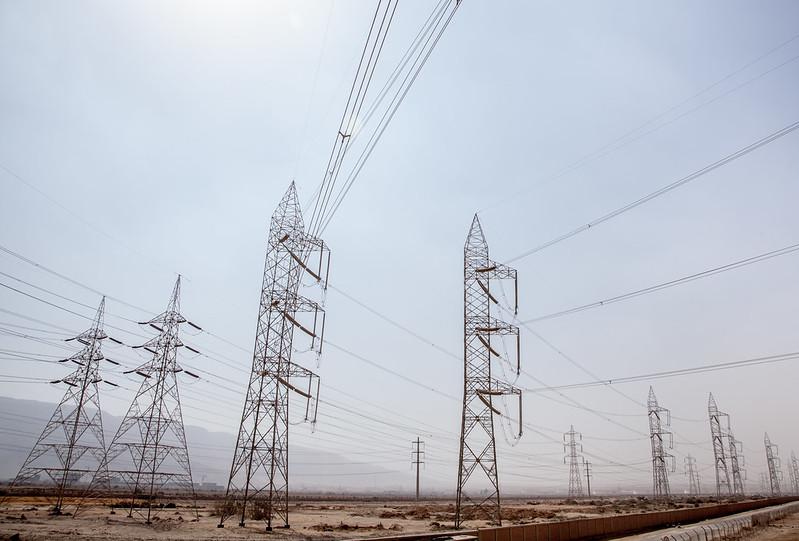
Imagine running a business in Uganda today. The cost of replacing imported stock is rising,…
Read More
Can The Gambia Fix Its Electricity Problem and Unlock New Business Opportunities?

What Do Power Cuts Reveal About Doing Business in The Gambia?

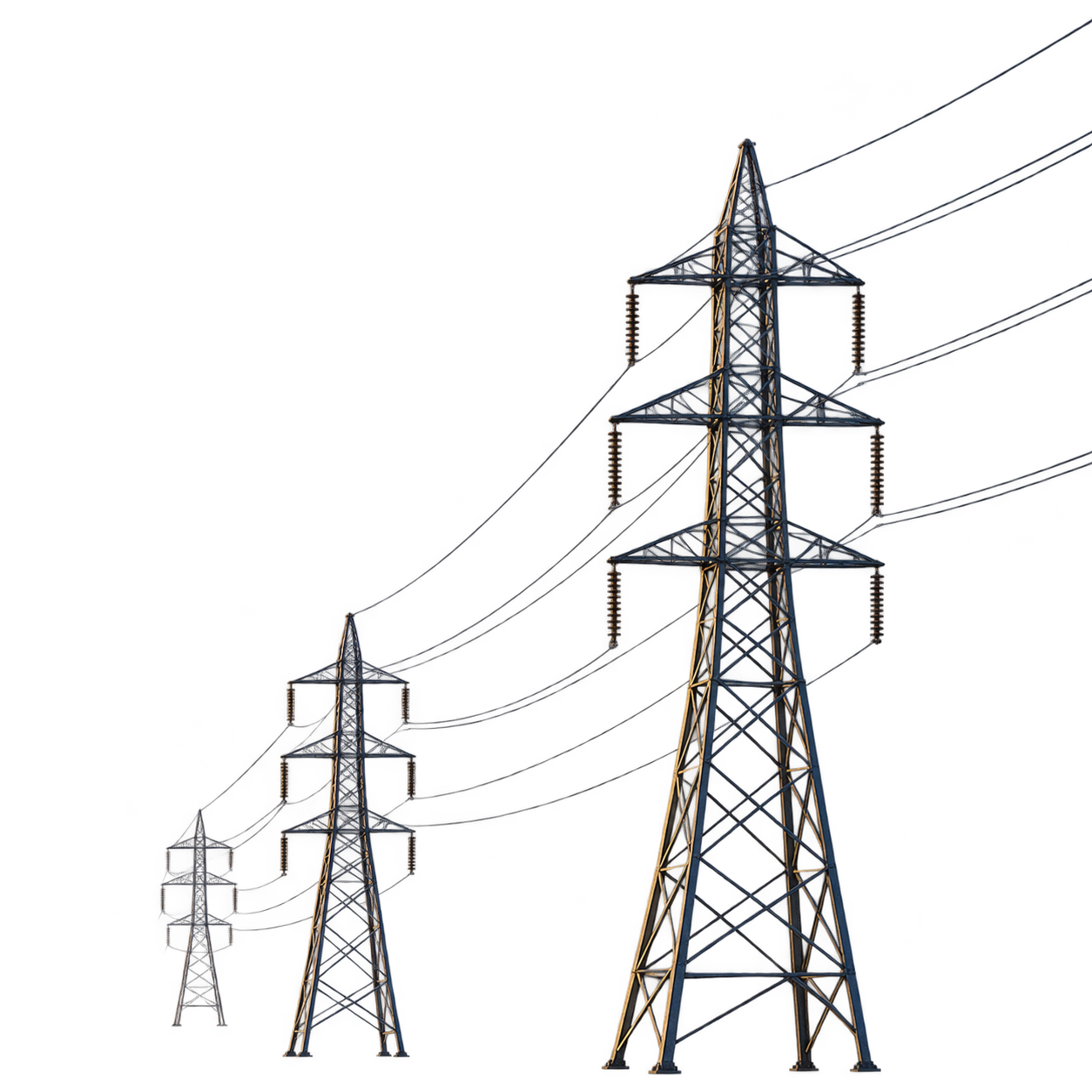
Imagine running a business in a country where electricity can disappear for up to 48…
Read More
Kenya Has Abundant Renewable Energy. So Why Are Businesses Still Paying So Much for Electricity? Imagine running a factory in a country known for its geothermal energy, wind farms and hydropower, only to find that electricity remains one of your biggest operating expenses. That is the contradiction facing businesses in Kenya. The country has built a strong renewable electricity sector. In 2023, nearly 90% of its electricity generation came from renewable sources, including geothermal, hydropower, wind and solar. Yet businesses continue to face electricity prices that can make manufacturing more expensive and weaken their ability to compete with producers in other markets. (International Energy Agency) If Kenya generates so much renewable electricity, why hasn't that translated into cheaper powe

Kenya Has Abundant Renewable Energy. So Why Are Businesses Still Paying So Much for Electricity?

Imagine running a factory in a country known for its geothermal energy, wind farms and…

Read More