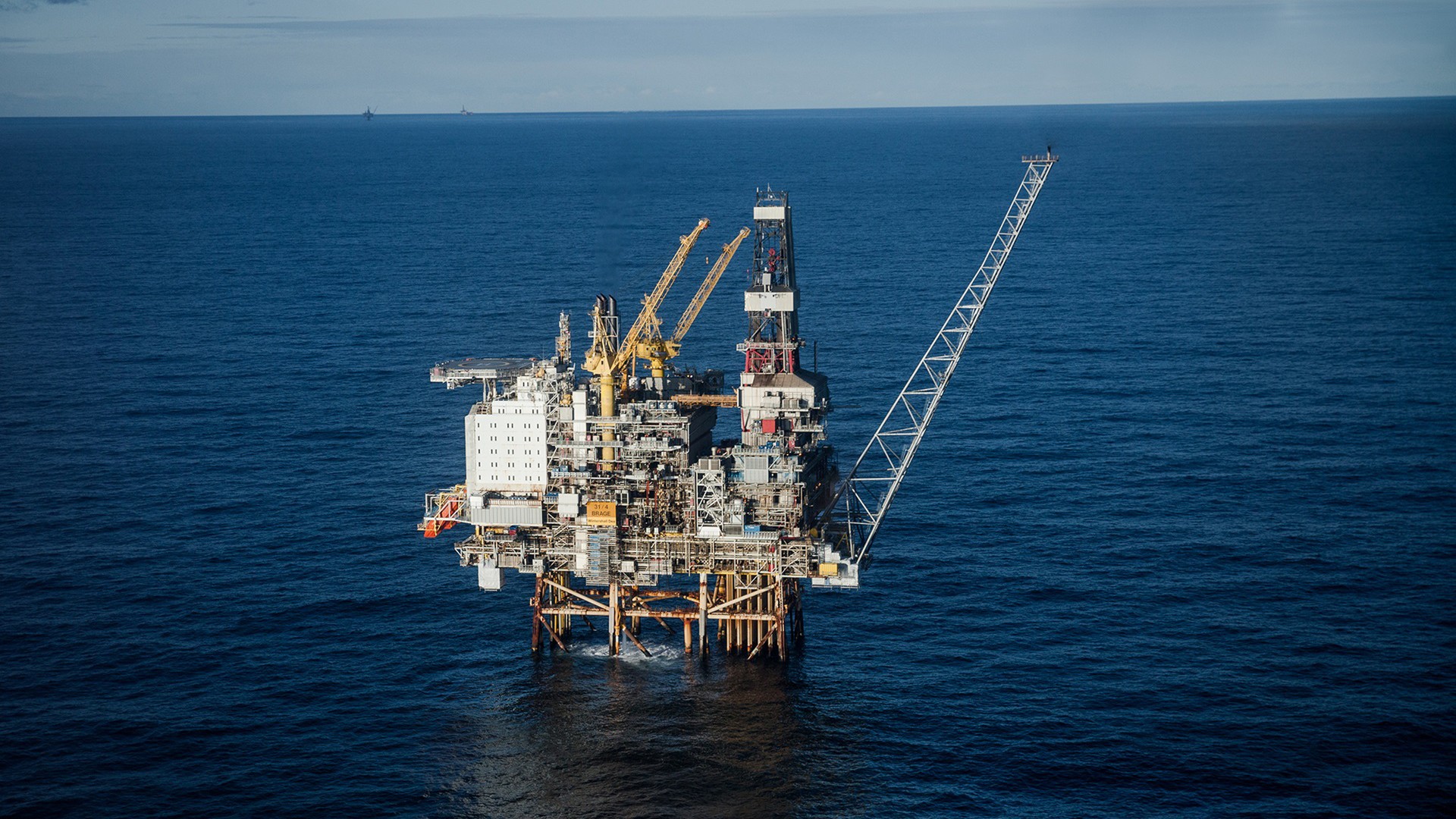
In 1969, Norway discovered one of the largest offshore oil fields in the world — the Ekofisk field in the North Sea.
At the time, Norway was a small and fairly modest economy. The discovery changed everything. Suddenly, this quiet Scandinavian nation was sitting on enormous oil wealth.
Many countries in similar situations spent their oil money quickly. Some built huge projects. Others expanded government spending too fast. In several cases, corruption, debt, and economic collapse followed when oil prices fell or reserves ran low. Countries like Nigeria, Venezuela, and Libya struggled after failing to manage their oil wealth wisely.
Norway chose a different path.
The Big Decision
In 1990, the Norwegian Parliament created what is now called the Government Pension Fund Global.
The idea was simple but powerful:
All profits from oil and gas would go into a national investment fund.
The money would be invested around the world.
The government could only withdraw a small percentage each year — first 4%, now 3%.
The rest would stay invested for future generations.
The message was clear: the oil belongs not only to today’s citizens, but also to future Norwegians.
Starting Small — Thinking Big
In 1996, Norway made its first deposit into the fund: $150 million.
Then something remarkable happened.
They stayed disciplined.
Year after year, oil revenues were added to the fund. Instead of trying to make risky investments, the fund bought small shares in thousands of companies across the world. Today, it owns parts of about 9,000 companies in more than 70 countries.
It holds shares in global giants like:
Apple
Microsoft
Amazon
In fact, the fund owns around 1.5% of all publicly traded companies worldwide. That means when people around the world buy products or services from major companies, a small part of the profit goes back to Norway.
The Power of Patience
The growth has been extraordinary:
By 2000: $50 billion
By 2010: $500 billion
By 2017: $1 trillion
Today: Over $2 trillion
For a country of about 5.6 million people, that equals roughly $340,000 per citizen.
Even more impressive — more than half of the fund’s value did not come from oil directly. It came from smart, long-term investments.
Today, the fund earns more from its global investments than Norway earns from selling oil and gas.
The 3% Rule
The government only uses about 3% of the fund each year. That amount funds roughly a quarter of Norway’s national budget. It supports:
Free or affordable education
Universal healthcare
Infrastructure
Pensions
Because they only spend a small portion, the main fund continues to grow.
This means that even when Norway’s oil eventually runs out — whether in 30 or 50 years — the country will still have a massive financial engine producing income.
Why It Worked
Norway’s success was not just about finding oil. Many countries found oil.
The real success came from:
Long-term thinking beyond election cycles
Strict rules that politicians respected
Transparency and strong institutions
A belief that future generations matter
Every economic crisis brought pressure to spend more. Every election brought promises. But Norway largely stuck to its rules.
They chose discipline over short-term popularity.
A Lesson for the World
Norway transformed temporary oil wealth into permanent financial wealth.
When the last barrel of oil is pumped from the North Sea, Norway will still have a multi-trillion-dollar fund generating income for decades — possibly centuries.
The real genius was not in discovering oil in 1969.
It was in making a bold decision in 1990:
To save most of it.
To invest it wisely.
And to protect it for children not yet born.
Norway chose its grandchildren over itself — and that choice changed its future forever