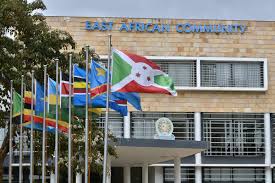
The East African Community (EAC) has recently revised its funding quota system, a change set to impact how member states contribute to and benefit from the regional bloc’s budget.
Previously, funding quotas were largely determined by a combination of population size and gross domestic product (GDP) of each member country. The new adjustment introduces a more nuanced formula, factoring in economic performance, population growth, and regional development needs.
Implications for Member States
Higher Contributors: Economically stronger nations may see increased budget contributions, reflecting their capacity to support EAC programs.
Greater Access for Smaller Economies: Countries with smaller economies or limited populations may benefit from enhanced funding allocations for development projects, infrastructure, and social programs.
Budget Transparency: The revised quotas are expected to encourage greater transparency and accountability in how EAC funds are used, ensuring equitable development across the region.
Strategic Considerations
EAC officials emphasize that the changes aim to strengthen regional integration and support shared priorities like trade, infrastructure, and health initiatives. Member states are encouraged to align national budgets with EAC funding commitments and strategic programs.
Experts note that while wealthier members may initially feel the strain of higher contributions, the long-term benefits include enhanced regional cooperation, improved infrastructure, and stronger collective bargaining power on the global stage.
As the revised funding quotas take effect, member states will need to adjust financial planning and coordinate with the EAC Secretariat to ensure a smooth transition.