As electric vehicles (EVs) continue to reshape transport systems across the world, Tanzania stands at an important turning point. From China to Norway and the United States, countries leading the EV revolution have shown that success requires more than just importing electric cars — it demands clear policies, infrastructure investment, and public awareness.
With electric motorcycles and three-wheelers quietly appearing on the streets of Dar es Salaam and other cities, Tanzania has already begun its transition. However, experts say there is much the country can learn from global EV leaders to build a sustainable and well-regulated electric mobility sector.
Strong Government Policy and Incentives
One key lesson from countries like Norway and China is the importance of government support. These nations introduced tax exemptions, subsidies, and reduced import duties to make EVs more affordable.
In Tanzania, high import taxes and unclear regulations remain barriers to wider adoption. If the government reduces duties on EVs and spare parts, and creates clear standards for registration and licensing, more investors and consumers may be encouraged to switch to electric transport.
Clear national policies can also guide long-term investment and prevent the rise of unregistered or unsafe electric vehicles, which are already being seen in some urban areas.
Investment in Charging Infrastructure
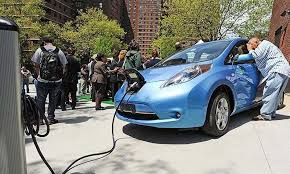
No EV market can grow without reliable charging stations. China built thousands of public charging points before EV ownership surged. Similarly, European countries invested heavily in nationwide charging networks.
Tanzania currently has limited charging infrastructure. Most electric motorcycles and three-wheelers rely on private charging arrangements. For EVs to become mainstream, the country will need public charging stations in major cities, highways, and commercial hubs.
Public-private partnerships could help finance this expansion while ensuring proper standards and safety measures.
Support for Local Manufacturing
Another important lesson is promoting local assembly and manufacturing. China became a global EV leader partly because it encouraged domestic production, reducing costs and creating jobs.
Tanzania could attract investors to assemble electric motorcycles, buses, and small vehicles locally. This would lower prices, create employment opportunities, and reduce dependence on imports.
With growing demand for affordable transport, especially in delivery services and public transport, the opportunity for local EV production is significant.
Public Awareness and Environmental Education
In many leading countries, governments invested in educating citizens about the environmental and economic benefits of EVs. Consumers were informed about fuel savings, reduced maintenance costs, and lower emissions.
In Tanzania, awareness remains limited. Many people still view EVs as expensive or unreliable. Public campaigns and pilot projects could help demonstrate the long-term savings and environmental benefits of electric transport.
As cities face rising air pollution and fuel costs, cleaner transport options are becoming more necessary.
Regulation and Safety Standards
The rise of unregistered electric three-wheelers in Dar es Salaam shows the need for stronger regulation. Without proper oversight, safety risks may increase.
Global leaders have strict safety standards for batteries, charging systems, and vehicle design. Tanzania will need similar regulations to ensure consumer protection and road safety while supporting innovation.
A Path Toward Sustainable Mobility
Tanzania’s push for clean energy, including the development of Compressed Natural Gas (CNG) hubs, shows the government’s commitment to alternative fuels. Electric vehicles can complement these efforts and reduce reliance on imported fuel.
However, experts warn that success will depend on coordinated planning between the transport, energy, and finance sectors.
If Tanzania borrows the right lessons — supportive policies, infrastructure investment, local production, and strong regulation — it could position itself as a regional leader in electric mobility.
The global EV revolution is moving fast. The question now is whether Tanzania will move quickly enough to seize the opportunity.