The United States and United Kingdom have ordered the withdrawal of non-essential embassy staff and family members from Mali, as the West African nation grapples with an intensifying fuel blockade imposed by jihadist groups and a worsening security crisis.
The move marks the latest escalation of concern among Western governments over the deteriorating situation in the landlocked Sahel country, where a jihadist insurgency has crippled supply chains and paralyzed daily life.
Since September 2025, the Al-Qaeda-linked Group for the Support of Islam and Muslims (JNIM) has blocked key transport routes into Mali, targeting fuel tankers and commercial trucks traveling from Senegal and Ivory Coast — two critical trade corridors that carry the majority of Mali’s imported goods.
According to local reports, dozens of tankers have been torched, and several drivers and soldiers have been killed or kidnapped in ambushes along major highways leading into the capital, Bamako.
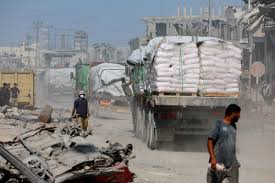
The blockade has sparked widespread fuel shortages, forcing many businesses to shut down, while public transport has been reduced to a fraction of its normal operations. Residents of Bamako report skyrocketing fuel prices and power cuts as supplies dwindle.
“We haven’t had diesel deliveries in over a week,” said Abdoulaye Traoré, a local mechanic. “Even food supplies are running low. People are afraid to travel outside the city.”
In a statement released Thursday, the US State Department ordered the immediate departure of non-emergency personnel and their families from the American Embassy in Bamako, citing “heightened safety risks and limited logistical support.”
The department had earlier urged all US citizens to leave Mali “immediately” using available commercial flights.
Similarly, the UK Foreign Office announced it had temporarily withdrawn non-essential staff from its embassy in Bamako, advising British nationals to depart the country as soon as possible.
“Given the deteriorating security situation, we strongly urge British citizens in Mali to leave immediately if it is safe to do so,” read a statement from the UK’s Foreign, Commonwealth & Development Office.
Other countries, including Germany, Italy, Canada, and France, have also advised their nationals to evacuate or avoid travel to Mali.
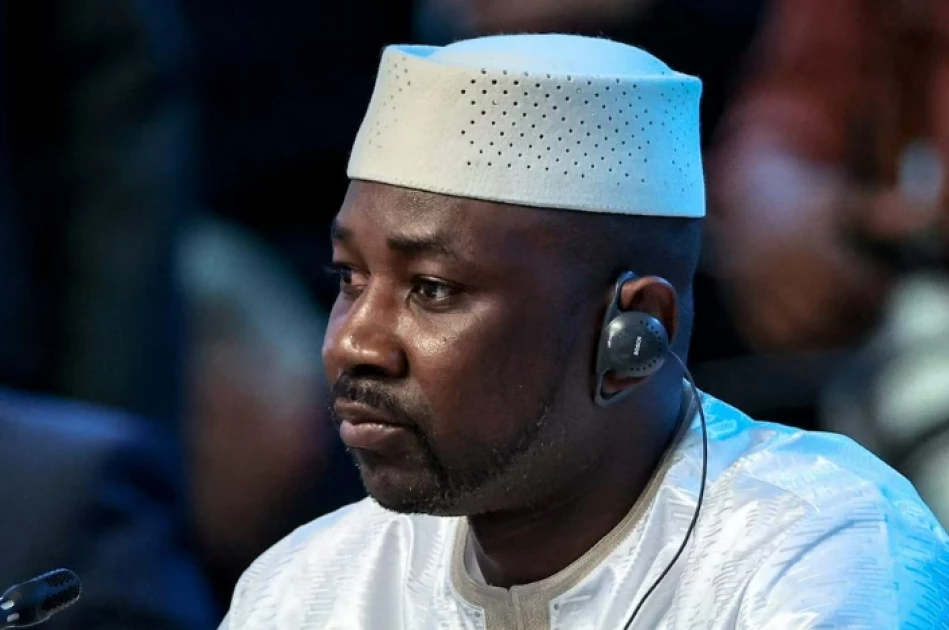
Mali has been under military rule since a pair of coups in 2020 and 2021, which brought Colonel Assimi Goïta to power. The junta initially pledged to restore civilian rule, but elections have been repeatedly postponed, straining relations with Western partners.
Following its break with France and the withdrawal of UN peacekeepers in 2023, the government has leaned heavily on Russian security contractors — widely believed to be from the Wagner Group — to help combat jihadist insurgents operating across the country’s north and central regions.
Despite these efforts, attacks by JNIM and the Islamic State in the Greater Sahara (ISGS) have continued to surge, especially in rural areas. Analysts warn that the latest blockade could further destabilize the government and worsen an already dire humanitarian situation.
“The blockade isn’t just about fuel — it’s a strategy to isolate the capital and undermine state control,” said regional security expert Mahamadou Cissé. “It’s a new phase of the insurgents’ war on the Malian state.”
The blockade has caused Mali’s economy to grind to a halt, with severe shortages of fuel, food, and medicine. Transport companies have suspended cross-border operations, and some gas stations have run dry altogether.
Aid organizations warn that the blockade could deepen hunger and poverty in one of the world’s poorest nations, already facing drought and displacement due to ongoing conflict.
“We are extremely concerned about access to essential supplies,” said a spokesperson for the World Food Programme (WFP). “The blockade is cutting off vital humanitarian corridors.”
The international community continues to monitor the situation closely. The United Nations has urged all parties to protect civilians and allow the free movement of goods and humanitarian assistance.
Meanwhile, Western diplomats say the withdrawal of embassy staff does not signal a complete closure of missions but reflects a “precautionary measure” amid growing instability.
With jihadist groups tightening their control over key transit routes and the military government struggling to maintain order, Mali faces one of its most severe crises in recent history.
Observers fear the blockade may foreshadow a broader offensive by insurgents seeking to further weaken the state’s grip on the capital.
As embassies scale back and citizens evacuate, many Malians remain trapped in a worsening crisis — with no clear path to relief.