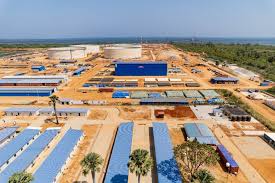
Tonny Sserubiri, the Principal Geologist in charge of exploration at the Ministry of Energy and Mineral Development, has highlighted the steady advancement, strengthened oversight, and increasing Ugandan participation in the country’s oil and gas sector.
Appearing on Spotlight Uganda on Sanyuka Television under the theme “Transforming Uganda’s Energy Future Through Partnership and Accountability,” Sserubiri emphasized that Uganda’s petroleum programme has successfully moved from exploratory work into the final stages of commercial readiness.
He revealed that preliminary oil samples already being extracted signal a major milestone, adding that the country is preparing for full-scale production.
“Oil and gas developments have been progressing well. We’ve been working hard, and next year is going to be even better. The oil we are getting now is just a sample, but we are preparing to release full production,” he said.
Sserubiri noted that the sector’s progress is anchored on regulatory compliance, safety, environmental protection, and transparency, which he described as essential pillars of petroleum governance. According to him, these frameworks have improved public trust and strengthened the credibility of Uganda’s oil sector.
He pointed out a significant shift in public perception since extraction activities began in Hoima. Communities, he said, now have a clearer understanding of the sector’s benefits, leading to more constructive dialogue about the country’s energy future.
Beyond perception, Sserubiri emphasized the ongoing socioeconomic impact of the industry, noting that:
“Ninety percent of Ugandans are involved in the oil and gas sector. Job opportunities have been created both directly and indirectly.”
He explained that opportunities cut across the entire value chain—from logistics and construction to hospitality, manufacturing, and professional services—showing how deeply the sector is linked with local economic activity.
Despite the overall progress, Sserubiri acknowledged key challenges, particularly for local investors who still face financial and legal constraints that limit their participation. He urged for stronger safeguards, accessible financing, and supportive legal frameworks to enable Ugandan companies to compete and thrive within the sector.
Reaffirming the Ministry’s commitment to integrity and fairness, Sserubiri stressed their zero-tolerance approach to malpractice:
“We reduce corruption and fraud in the petroleum sector mainly through contracts. We ensure they are awarded to the right people.”
He underscored that promoting transparency, enforcing regulations, and ensuring that local people benefit remain top priorities as Uganda moves closer to achieving its long-awaited commercial oil production.