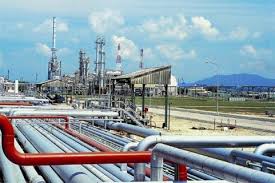
Uganda is positioning itself to become a major force in East Africa’s downstream energy market following the signing of a landmark agreement to develop a long-awaited $4 billion oil refinery. The project, backed by a UAE-based investment firm with ties to the Dubai Royal Family, is expected to significantly reduce the region’s dependence on imported refined petroleum products.
For decades, Africa has lagged behind more energy-independent regions, with most countries relying heavily on imports to meet growing fuel demand. However, shifting market dynamics and rising consumption have triggered a new wave of refinery expansion across the continent. Uganda’s proposed refinery represents one of the most ambitious of these efforts and signals a broader transformation in Africa’s energy landscape.
A Long-Delayed Project Gains Momentum
The Ugandan government has confirmed it has signed a critical agreement with Alpha MBM Investments, a UAE-based firm, to accelerate development of the refinery. Once completed, the project will transition Uganda from a net importer of refined petroleum products into a self-sufficient energy producer capable of processing large volumes of crude oil.
The refinery project, which has faced repeated delays over the years, is now viewed as firmly back on track. Government officials have described the agreement as a major milestone, bringing the country closer to a Final Investment Decision (FID) expected by July 2026. Construction is set to begin shortly after the FID is reached.
Ugandan authorities say the project will not only strengthen the country’s energy security but also create thousands of jobs and build local technical capacity in a nation where poverty and unemployment remain persistent challenges.
Strategic Partnership with UAE Investors
The agreement was formalised in proceedings led by His Highness Sheikh Mohammed bin Maktoum bin Juma Al Maktoum, a member of the Dubai Royal Family, underscoring the strategic importance of the investment. Alpha MBM Investments will partner with the Uganda National Oil Company (UNOC) to develop the refinery, which will be located in Kabaale, Hoima District.
Under the ownership structure, Alpha MBM will hold a 60% stake in the refinery, while UNOC will retain the remaining 40%. According to Uganda’s investment regulator, the partnership is designed to combine international capital and expertise with national oversight and long-term strategic control.
The refinery is expected to be one of the largest energy investments in East Africa once operational. It also aligns with Uganda’s goal of cutting its annual fuel import bill, which currently stands at approximately $2 billion.
“This project will create thousands of jobs, develop local expertise, and serve as a springboard for industries such as petrochemicals and fertiliser production,” said Energy Minister Ruth Nankabirwa.
Part of a Continental Refining Revival
Uganda’s refinery plans are unfolding amid a broader resurgence in Africa’s refining sector. Several countries have recently announced or advanced refinery expansion projects, including Senegal’s proposal to build a second refinery and Nigeria’s massive Dangote Refinery, which has already begun reshaping fuel supply dynamics in West Africa.
Angola is also preparing to commission the Cabinda refinery by the end of the year, further boosting regional output. Collectively, Africa is expected to expand its refining capacity by approximately 1.2 million barrels per day by 2030.
These developments mark a decisive shift toward domestic production, reduced import dependence, and stronger regional energy integration.
Redefining East Africa’s Energy Future
Uganda’s refinery, backed by UAE investors, exemplifies Africa’s growing determination to take control of its energy destiny. Alongside major projects in Nigeria and Angola, it reflects a continent increasingly willing to invest in large-scale infrastructure that supports industrialisation and economic resilience.
As global energy markets evolve and trade dynamics tighten, Africa’s push to build domestic refining capacity could prove critical. With its refinery project finally gaining traction, Uganda is positioning itself not just as an energy consumer, but as a regional supply hub capable of reshaping fuel markets across East Africa and beyond.