As Uganda prepares for its presidential election on 15 January 2026, many observers believe that President Yoweri Museveni will once again be declared the winner. This would give him another term in power after nearly four decades as the country’s leader. A similar situation happened in the 2021 election, when Museveni won amid claims of vote rigging, violence, and an internet shutdown.
However, even though the outcome may look predictable, Uganda’s political situation has changed in important ways since the last election.
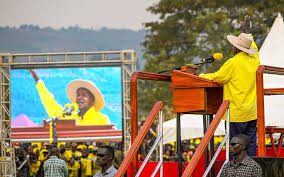
Museveni, now 81 years old, still controls the state, the security forces, and key institutions. State repression has continued, especially against opposition leaders and supporters. Yet, opposition politics have evolved, and questions about who will lead Uganda after Museveni are growing louder.
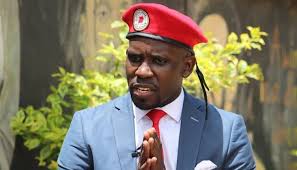
The main face of the opposition remains Bobi Wine, whose real name is Robert Kyagulanyi. A popular musician turned politician, Bobi Wine entered politics in 2017 and quickly rose to national fame. He represents the hopes of many young Ugandans who are frustrated by unemployment, corruption, and long years of Museveni’s rule.
Bobi Wine’s story, from growing up in a poor neighbourhood to becoming a global political figure, has inspired many. He has led protests against changes to the constitution, opposed new taxes on social media, and guided his party, the National Unity Platform (NUP), to strong results in the 2021 elections. NUP became the official opposition party with 57 seats in parliament, even winning support in areas that usually back the ruling party.
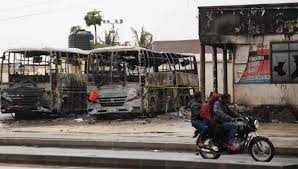
Despite this support, the opposition faces serious challenges. Security forces regularly disrupt opposition rallies, arrest leaders, and use violence against supporters. Bobi Wine himself has been arrested many times, beaten, shot in the leg, and has survived assassination attempts. Other opposition figures, including veteran politician Kizza Besigye, remain detained under harsh conditions.
International organisations, including the United Nations, have warned that repression against Uganda’s opposition is increasing and have urged the government to stop using violence.
At the same time, Museveni has worked to weaken opposition parties from within. Some opposition leaders have joined the government, while others have split their parties due to accusations of corruption and betrayal. These divisions have made it harder for the opposition to unite against the ruling party.
Another major change in Uganda’s politics is the rising influence of Museveni’s son, General Muhoozi Kainerugaba. Many believe Museveni is preparing him to take over leadership in the future. Although the law bars serving military officers from running for president, Muhoozi has openly shown interest in politics. Recent government and party changes suggest that his supporters are gaining more power.
While the ruling party is expected to win the 2026 election, the future of Uganda after Museveni remains uncertain. The biggest question is not who will win the vote, but what will happen next—especially regarding succession, stability, and the country’s democratic future.
In short, Museveni may win again, but Uganda’s political landscape has clearly changed, and the period ahead could be one of the most important in the country’s history.