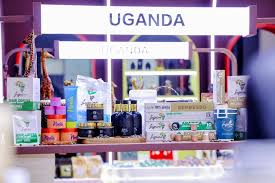
Uganda, famously called the “Pearl of Africa,” is making its mark at the Madrid Coffee Festival 2026 with its rich, sustainable coffee. From the volcanic slopes of Mount Elgon in the east to the Rwenzori Mountains in the west, Uganda’s diverse landscapes produce coffee beans with unique flavours that have been appreciated for over 200 years.
A Rich Coffee Heritage
Robusta coffee first grew in Uganda’s wild forests near Lake Victoria, and by the late 19th century, it was being exported to Europe. Arabica beans followed in the 20th century, introduced by missionaries. Today, Uganda is the 7th largest coffee producer in the world, supporting more than 1.7 million households and contributing significantly to foreign exchange earnings.
Spain is among Uganda’s top five coffee export markets. In 2023, it imported 16,500 tonnes of Ugandan coffee, and between 2019 and 2023, imports grew at an average rate of 7% per year. In 2024, Uganda exported roughly $73.91 million worth of coffee, husks, and substitutes to Spain.
Sustainability and Community Empowerment
Ugandan coffee producers are now championing sustainable farming, women’s empowerment, and community development. Many farms use climate-smart methods, including agroforestry, shade-planting, and beekeeping, while giving female workers technical training and fair wages.
For instance:
Mountain Harvest, on Mount Elgon, has increased female participation from 13% in 2019 to 41% in 2025.
Ankole Cooperative Union, in Southwestern Uganda, supports local schools and smallholder farmers managing 1.5-acre farms with 600–700 coffee trees each. Intercropping with bananas and other plants enriches the soil while adding partial shade.
Zamani Coffee, in the Sipi region, works with 250 small-scale farmers using traditional and innovative techniques, running savings cooperatives to fund community projects.
Case Studies: Pioneers of Ugandan Coffee
Kwezi Coffee, co-founded by Barbara Mugeni and Pamella Kampire, sources beans from 2,700 farmers, 60% of whom are women. The company promotes organic farming, fair wages, technical training, and community programs such as soil management workshops and beekeeping initiatives.
Clarke Farm, in the Rwenzori Region, founded by Dr. Ian Clarke, combines coffee production with agroforestry. The farm grows a variety of crops alongside coffee and focuses on climate-smart practices that improve incomes and provide education opportunities, particularly for women and youth.
Ugandan Coffee in Madrid
At the Madrid Coffee Festival (13–16 February 2026), Uganda will showcase its coffee alongside over 240 producers worldwide. Visitors will experience Uganda’s distinctive floral, fruity, and sweet coffee notes, while learning about the sustainable and community-focused practices behind each cup.
This presence marks a growing trend: Ugandan coffee is not only prized for its flavour but also for the positive social and environmental impact of its production.
Where to Find Ugandan Coffee
Specialist importers supplying Ugandan coffee to Europe include:
Dr Wakefield
Langdon Coffee
Volcafe
Zamani Coffee
Kiyetec Solutions Ltd
With its focus on quality, sustainability, and community, Ugandan coffee is capturing the hearts of Spanish coffee lovers and setting a global standard for ethical, flavorful coffee.