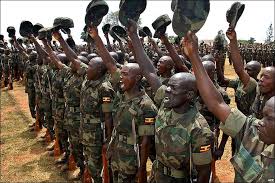
The Uganda People’s Defence Forces (UPDF) have long been a central pillar of the country’s security, but their role has evolved significantly over the decades.
After the 1995 Constitution, the military largely retreated to its barracks, focusing on its constitutional mandate: defending Uganda’s borders and sovereignty. However, in 2000, President Yoweri Museveni expanded the army’s role, bringing the UPDF into public life and national development initiatives.
Today, the UPDF is engaged not only in traditional defense but also in disaster response, peacekeeping missions, and regional security operations. Their presence is seen in areas ranging from civil projects to international interventions, including deployments in Somalia against Al-Shabaab.
The military has also invested heavily in professionalism and training, with new colleges and institutions aimed at building skilled officers and soldiers. While some observers compare the UPDF with other militaries, such as Israel’s, they note that Uganda’s forces are more closely linked to politics, a legacy of the National Resistance Army bush war fighters.
As Uganda reflects on the peaceful 2026 elections, the UPDF continues to play a visible and influential role in national life, balancing security duties with broader developmental and societal functions.