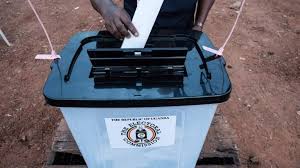
Ugandan Members of Parliament are demanding clear explanations from the Electoral Commission (EC) about the new biometric voting system planned for use in the 2026 general elections. The request comes as the EC asks the government for additional funding to complete the project.
The EC recently purchased thousands of biometric verification machines that will be used to identify voters at polling stations. However, many lawmakers say they do not fully understand how the devices work, how reliable they are, or how they will improve transparency during elections.
To address these concerns, the EC has agreed to conduct a live demonstration of the machines before they are deployed nationwide.
Concerns from MPs
During a tense parliamentary session, MPs raised several questions, including:
Whether the machines will work in remote areas with poor internet and electricity
How the EC will prevent manipulation, breakdowns, or misuse of the devices
Whether the procurement process was transparent
Why such a huge supplementary budget is needed
So far, 60,000 biometric kits supplied by local firm Simi Valley Technologies have been delivered. The remaining 49,142 kits were expected by the end of last month.
Funding Request
The Electoral Commission is asking Parliament for an extra UGX 496.5 billion (US$140 million).
This includes:
UGX 268.3 billion for biometric verification kits
UGX 19.6 billion for a de-duplication system to prevent multiple registrations
Lawmakers also questioned whether EC staff and polling officials will be properly trained to use the technology. Some MPs even requested training themselves to better understand the system.
Opposition MP Ibrahim Ssemujju asked whether the machines will be mandatory, noting that even a government minister did not seem to understand their operation during a committee meeting.
Parliament has also asked the Minister of Justice and Constitutional Affairs, Hon. Nobert Mao, to present the regulatory framework that will guide the use of the biometric system.
Opposition leader Joel Ssenyonyi expressed concern that the country is only one month away from election day, yet no official regulations have been published.
In response, the Attorney General Kiryowa Kiwanuka said that existing laws are sufficient and that no regulatory gap exists.
Uganda is set to hold its next presidential election on January 15, 2026. The upcoming demonstration of the biometric kits will likely play a major role in determining whether Parliament approves the EC’s funding request and fully supports the use of the system.