Uganda is planning to expand electricity exports to regional and international markets as the country continues to generate more power than it consumes.
According to officials in the energy sector, Uganda’s power industry has grown steadily over the years, moving from the old Uganda Electricity Board (UEB) to a modern unbundled system that separates power generation, transmission, and distribution. This reform is described as a major milestone that has improved efficiency, transparency, and private sector participation.
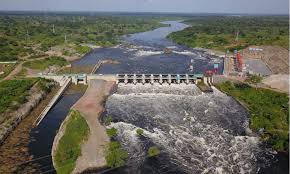
The country now produces surplus electricity mainly from hydropower projects, including large dams built along the River Nile. With domestic demand still growing at a slower pace than supply, the government is turning its focus to exporting excess power to neighbouring countries and beyond.
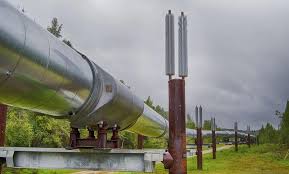
Energy experts say regional markets such as Kenya, Tanzania, Rwanda, South Sudan, and the Democratic Republic of Congo present strong opportunities, especially as cross-border transmission lines continue to expand. Selling surplus electricity would help Uganda earn foreign exchange, reduce power wastage, and strengthen regional integration.
Officials also note that exporting power will help stabilise electricity tariffs at home by spreading costs across a wider market. This could make electricity more affordable for local industries and households, supporting industrial growth and job creation.
However, analysts caution that Uganda must continue investing in transmission infrastructure, maintain reliable supply, and secure long-term power purchase agreements to fully benefit from exports.
Overall, Uganda’s push to access external power markets reflects the country’s confidence in its growing energy capacity and its ambition to become a regional electricity hub in East Africa.