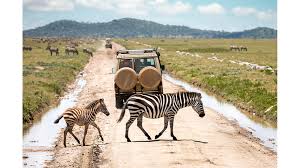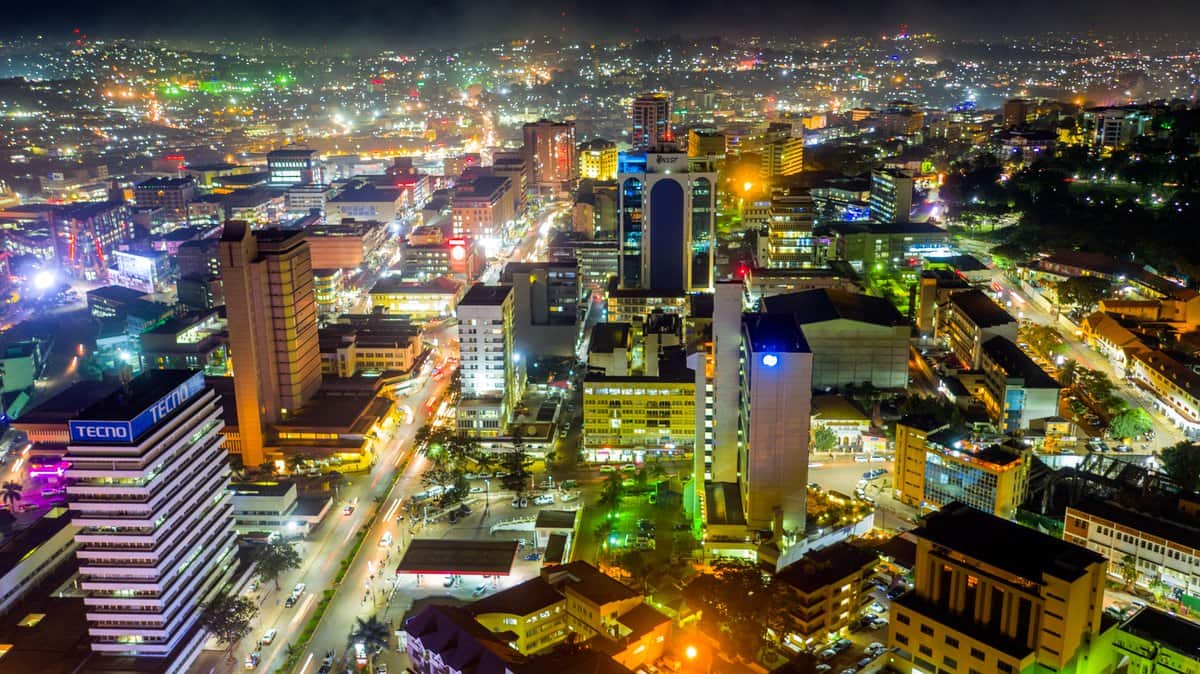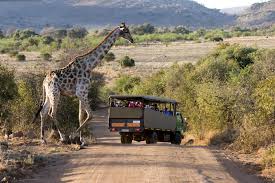
Uganda’s tourism sector is entering a defining phase, targeting sustainable growth by 2026 as wildlife populations continue to recover. The industry welcomed 1.4 million visitors in 2024, generating $1.3 billion, and supported more than 800,000 jobs, highlighting tourism as a key pillar of the economy.
The Uganda Tourism Association Strategic Plan 2026–2030, launched at Speke Resort Munyonyo, outlines a roadmap for the next five years, emphasizing public-private collaboration, workforce development, improved employability, and strategic promotion to attract both regional and international travelers.
Conservation Gains Drive Tourism
Conservation remains central to Uganda’s appeal:
Elephant populations have risen from about 6,000 to nearly 8,000.
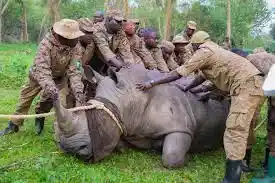
Rhinos have increased from just six in 2000 to 59 today.
Mountain gorillas, in the Virunga Massif and Bwindi Impenetrable National Park, have shown steady growth, with nearly 100 births recorded in Bwindi over the past three years.
Chimpanzees in the Rwenzori region number around 1,400, with studies ongoing to enhance tourism potential.
The Uganda Wildlife Authority (UWA) has also undertaken translocations to strengthen ecosystems, moving Uganda kobs, buffaloes, and rhinos to expand tourism circuits. Plans are underway to introduce 30 additional rhinos into Kidepo Valley National Park.
Strategic Focus
State Minister for Tourism, Wildlife, and Antiquities Martin Mugarra Bahinduka emphasized that coordinated efforts between the private sector and government are crucial. UTA President Yewagnesh M. Biriggwa highlighted the importance of a unified private sector voice in shaping tourism policy, while Uganda Tourism Board CEO Juliana Kagwa stressed targeted branding and marketing for the growing sector.
Despite ongoing elections, visitor numbers have only slightly dipped, with a rebound expected by June. Stakeholders agree that success in 2026 will require sustainable growth, skilled human capital, and strengthened public-private collaboration.
Uganda’s tourism ambition is clear: not just to grow bigger, but to grow better, ensuring that conservation, community benefits, and global competitiveness go hand in hand.