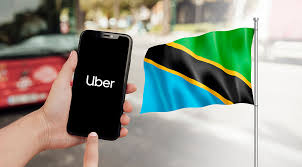
Dar es Salaam — Ride-hailing company Uber has officially exited the Tanzanian market, ending nearly ten years of operations in the country.
The company quietly shut down its services in recent weeks, according to industry sources and drivers affected by the decision. Uber entered Tanzania in 2016, launching first in Dar es Salaam before expanding to other major urban centres.
While Uber has not issued a detailed public statement, the exit is widely linked to tough operating conditions, including high operating costs, regulatory pressures, and stiff competition from local and regional ride-hailing platforms.
Drivers who spoke to The Citizen said they were informed through in-app notifications that services would be discontinued. Many expressed disappointment, noting that Uber had provided a steady source of income, especially for young people and part-time drivers.
“I depended on Uber as my main source of livelihood. Now I have to look for alternatives,” said one driver in Dar es Salaam.
Over the years, Uber faced challenges in Tanzania similar to those encountered in other African markets. These included fare controls, commission disputes, licensing requirements, and pressure to improve driver earnings, which narrowed profit margins.
The company has previously exited several African markets, including Uganda and Zambia, as part of a broader strategy to focus on regions with stronger returns and clearer regulatory frameworks.
Uber’s departure leaves room for competitors such as Bolt, inDrive, and local ride-hailing startups to expand their market share. Industry analysts say the exit could strengthen local platforms that offer lower commissions and more flexible pricing models.
Despite leaving Tanzania, Uber continues to operate in select African countries, including Kenya, Nigeria, South Africa, and Ghana, where ride-hailing demand remains strong.
The exit marks the end of an era for one of the earliest global ride-hailing services in Tanzania and highlights the ongoing challenges facing multinational tech firms operating in emerging markets.