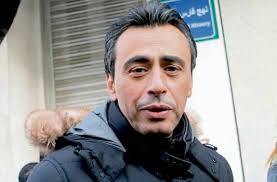
Jawhar Ben Mbarek, a prominent opposition figure and co-founder of Tunisia’s National Salvation Front, has been hospitalized due to severe dehydration after more than two weeks on hunger strike, his family confirmed on Friday.
Ben Mbarek, who has been in detention since February 2023, initiated the hunger strike to protest his imprisonment and what he claims are politically motivated charges against him.
His family expressed deep concern over his deteriorating health, with his sister, Dalila Ben Mbarek Msaddek, revealing in a Facebook post that doctors had identified a “highly dangerous toxin” affecting his kidneys, likely resulting from the prolonged hunger strike.
According to Msaddek, although Ben Mbarek was treated at the hospital, he refused to take nutritional supplements, choosing instead to continue his protest. He was released from the hospital on Friday afternoon and returned to prison, where he remains in custody.
This latest development follows disturbing reports earlier this week, when Ben Mbarek’s family and legal team accused prison guards of physically assaulting him at the Belli prison, where he is being held. Ben Mbarek’s lawyer, Hanen Khemiri, filed a formal complaint with the public prosecutor alleging torture, prompting an internal investigation by prison authorities.
In April 2025, after more than two years in pre-trial detention, Ben Mbarek was sentenced to 18 years in prison on charges of “conspiracy against state security” and “belonging to a terrorist group” in a mass trial that has been widely criticized by human rights organizations.
The trial, which many view as politically motivated, comes amid an ongoing crackdown on political opposition since Tunisian President Kais Saied’s controversial power grab in July 2021.
Human rights groups have raised alarm over the sharp decline in civil liberties in Tunisia following Saied’s consolidation of power. Many opposition figures, including Rached Ghannouchi, the 84-year-old leader of the Ennahdha party, have been jailed under similar charges.
In solidarity with Ben Mbarek, several opposition leaders have also gone on hunger strike to protest what they call the erosion of political freedoms in Tunisia.
Despite the growing international concern over Ben Mbarek’s health and his treatment in custody, Tunisian prison authorities have repeatedly denied claims that detainees, including those on hunger strike, are in ill health. They have maintained that all prisoners are under “continuous medical supervision.”
The situation surrounding Ben Mbarek’s health continues to highlight the tensions between Tunisia’s government and its opposition, with international calls for his release and for greater protection of human rights in the country.