In a rapidly changing political and economic landscape, Tanzania’s new ministers are stepping into positions of power at a time when the country faces numerous pressing challenges. From internal political unrest to the economic implications of global market shifts, the incoming cabinet members have their work cut out for them.
As the new leadership takes charge, they are confronted by a series of critical national issues, each requiring urgent attention and decisive action.
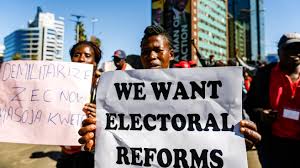
One of the most pressing challenges lies in addressing the fallout from the October 29 election unrest. The violence and disturbances that erupted during and after the elections have raised concerns both domestically and internationally.
President Samia Suluhu Hassan has already taken steps by forming a commission to investigate the violence that unfolded. However, the unrest has broader implications, particularly for donor confidence in Tanzania’s political stability. President Samia herself warned that the violence could potentially damage the country’s relationship with international donors, whose support is crucial for various sectors, including development and infrastructure.
Meanwhile, over 300,000 students are reportedly missing as the Form Four national exams have commenced. The missing students highlight ongoing issues within Tanzania’s education system, including access to education and logistical hurdles. The new ministers will need to address these systemic problems and ensure that students are not left behind in the national educational agenda.
On the economic front, the government is grappling with several tough decisions. In one notable development, the Bank of Tanzania (BoT) has ruled out selling gold, despite soaring global gold prices. The central bank’s decision comes amid concerns over the long-term impact of such a move on the country’s foreign reserves and economic stability.
Amid these challenges, Tanzania’s tourism industry has shown remarkable resilience. Despite the political protests and instability following the October elections, the industry has defied expectations. Visitor numbers have surged, demonstrating the sector’s potential as a key driver of the economy. The ministers will need to capitalize on this momentum, ensuring that tourism remains a significant contributor to national growth.
With the country facing multifaceted challenges — from political unrest and an unstable education system to economic pressure and the need for foreign investment — the ministers’ ability to navigate these complex issues will be crucial to Tanzania’s future. The coming months will test their leadership and their capacity to unite the country during a turbulent time.
President Samia’s leadership will continue to be under scrutiny, and the new ministers’ decisions in the coming weeks and months will play a pivotal role in shaping Tanzania’s political, social, and economic future.