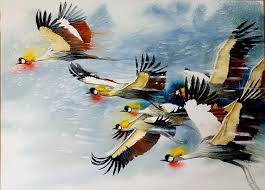
Uganda’s national bird, the Grey crowned crane, is facing growing threats that could push it closer to extinction if urgent action is not taken.
Known locally as the crested crane, the elegant bird is a powerful symbol of Uganda’s identity and pride. It appears on the country’s coat of arms and represents peace, grace, and resilience. However, rapid environmental changes are putting its survival at risk.
A Bird Under Threat
The crested crane mainly lives in wetlands and grasslands. But these habitats are shrinking due to:
Wetland drainage for farming and settlement
Urban expansion
Pollution
Illegal capture and trade
Nest destruction
As wetlands disappear, so do safe breeding grounds for the bird. Experts warn that without sustained conservation efforts, the population could continue to decline.
Uganda has more than 1,070 bird species, making it one of Africa’s top birding destinations. But even with legal protection in place — including tough penalties for killing the crested crane — enforcement and public awareness remain key challenges.
Why Conservation Matters
Protecting the crested crane is not only about saving one species. Wetlands support biodiversity, regulate water systems, reduce flooding, and help fight climate change. When these ecosystems are destroyed, entire communities suffer.
Conservation efforts should include:
Protecting and restoring wetlands
Strengthening enforcement of wildlife protection laws
Community education and awareness programs
Promoting eco-tourism that benefits local communities
A Shared Responsibility
The future of Uganda’s national bird depends on the choices made today by government, communities, conservationists, and individuals.
Let us commit to sustained conservation actions to ensure that future generations inherit landscapes still graced by these magnificent birds.
If we act now, the crested crane will continue to soar over Uganda’s wetlands as a living symbol of the nation’s heritage and natural beauty.