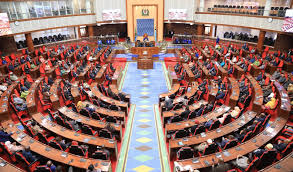
Dodoma — Tanzania’s Parliament is set to reconvene next week without an officially recognized opposition, following a series of political and legal developments that have left the House dominated by the ruling party.
The development marks a significant shift in the country’s political landscape, as opposition presence — long viewed as a crucial element of parliamentary democracy — appears to have diminished due to internal disputes, suspensions, and ongoing legal challenges.
According to Parliament officials, preparations for the new session are complete, with lawmakers expected to debate key national issues, including the implementation of development projects, budget oversight, and electoral reforms.
However, questions remain over how government accountability will be ensured in the absence of a formal opposition voice.
Analysts warn that this situation could affect the quality of legislative debate, with some civil society groups urging reforms to guarantee inclusive political participation.
“This is a test for Tanzania’s democracy,” said political analyst Dr. Juma Mkumbo. “Parliament must continue to reflect the diversity of the nation’s political opinions, even when the opposition benches are empty.”
The Speaker of the National Assembly has not indicated whether new measures will be introduced to fill the opposition gap, though discussions are ongoing about possible adjustments to parliamentary standing orders.
The absence of the opposition stems from the recent suspension and legal wrangles involving several opposition Members of Parliament (MPs), coupled with the delayed by-elections in key constituencies.
In response, opposition parties have accused the government of stifling political pluralism, while the ruling party maintains that all parliamentary processes are being conducted within constitutional limits.
As Parliament resumes, attention will focus on how lawmakers navigate pressing national priorities — from economic growth and youth employment to education and healthcare reforms — amid growing calls for broader political inclusion.