Tanzania’s police have announced a ban on nationwide rallies planned for next week, following days of deadly unrest triggered by the disputed October 29 presidential election.
The election—during which President Samia Suluhu Hassan was declared the winner with 98 percent of the vote—sparked immediate outrage from opposition groups and civil society. They accused the government of widespread rigging and linked the president to a wave of murders and abductions allegedly targeting her critics in the weeks leading up to the vote.
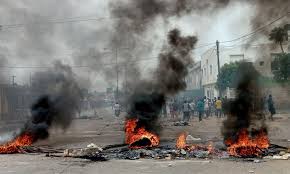
Unrest escalated swiftly after polling day. According to opposition parties and human rights groups, more than 1,000 people were shot dead by security forces during several days of protests. The government has not released an official casualty count, adding to public anger and suspicion.
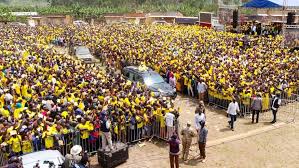
Despite efforts by authorities to restrict information flow—including intimidation of activists and disruptions reported on social media platforms—calls for renewed demonstrations have continued to grow. Many Tanzanians vowed to return to the streets on December 9, demanding accountability for the deaths and transparency regarding the election outcome.
In a statement issued late Friday in Swahili, police spokesperson David Misime confirmed that police had seen numerous online posts mobilizing supporters for the proposed rallies. However, he said that no identifiable individual or group had submitted the legally required written notification for public demonstrations.
Citing police guidelines, Misime stated that “given the unlawful tactics that have surfaced,” the planned rally “no longer meets the legal requirements to be authorised.”
“Therefore, the Police Force, as of today, bans the planned demonstrations described as peaceful and indefinite,” the statement said.
Authorities also claimed that the mobilization for the December 9 rally was being coordinated through telephone numbers traced to both inside and outside Tanzania, as well as through anonymous social media accounts operated from abroad.
The ban follows Meta’s recent suspension of the Instagram accounts of two Tanzanian activists who had shared images of the violent crackdown on post-election protests. The move has stirred debate about censorship and raised concerns about efforts to control the narrative around the unrest.
International criticism has intensified. The United States announced it would be “comprehensively reviewing” its relationship with Tanzania in light of the violence surrounding the elections. Other nations, including the UK, Canada, and several EU member states, have called for an independent investigation into the deadly unrest.
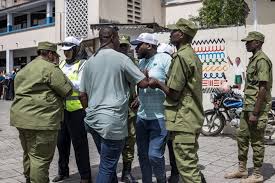
With tensions still high, Tanzanians remain divided over the police ban. While authorities insist the move is necessary to prevent further chaos, activists and opposition figures argue it suppresses citizens’ constitutional right to assemble and demonstrate peacefully.
As December 9 approaches, uncertainty hangs over the nation. Whether protestors will defy the ban—and how security forces will respond—remains to be seen, leaving Tanzania at one of the most volatile moments in its recent political history.