Tanzania’s main opposition party, Chama cha Demokrasia na Maendeleo (CHADEMA), has rejected the results of last week’s presidential election, in which President Samia Suluhu Hassan was declared the winner by the National Electoral Commission (NEC).
CHADEMA described the poll as “a coup against Tanzanians,” claiming that the outcome was manipulated to deny citizens their right to choose their leaders freely. The party, led by Tundu Lissu, who is currently facing treason charges, announced it will not recognize Samia Suluhu’s presidency and called on the international community to do the same.
“This election does not reflect the will of Tanzanians. It was stolen from the people,” CHADEMA said in a statement released in Dar es Salaam.
The disputed election has sparked widespread criticism from international organizations and foreign governments, with growing concern over alleged human rights abuses, internet shutdowns, and restrictions on opposition activities during the electoral period.
The Mo Ibrahim Foundation condemned what it termed an “authoritarian turn” under President Suluhu, likening her leadership to that of her late predecessor John Magufuli, who was accused of suppressing dissent.
The Foundation cited reports of banned opposition rallies, internet blackouts, and security forces using live ammunition on protesters, many of them young people. It said the election could not be considered “free or fair” and warned Tanzania against sliding into instability.
“The sub-region is already home to unspeakable violence and human tragedy — one failed state is enough,” the Foundation cautioned, referring to ongoing conflicts in neighboring Sudan.
While the African Union (AU) congratulated President Suluhu on her declared victory, AU Chairperson Mahmoud Ali Youssouf expressed regret over the loss of lives during post-election protests.
In a statement read by AU spokesperson Nuur Mohamud Sheekh, the continental body urged Tanzanian authorities to respect freedom of expression and peaceful assembly, and to ensure that all detained opposition members receive fair treatment.
The European Union (EU) also raised alarm over the situation, pointing to voting irregularities, violence, and alleged abductions in several regions.
EU spokesperson Anouar El Anouni urged the government to release detained politicians, conduct independent investigations into acts of violence, and restore full internet access to allow transparency.
The election outcome has triggered protests in major Tanzanian cities, with police reportedly using tear gas and arrests to disperse demonstrators.
Regional leaders and activists have also weighed in. In Kenya, opposition leader Martha Karua said Tanzania’s turmoil highlights a growing youth-driven demand for transparency and accountability across East Africa — echoing protests that took place in Kenya the previous year.
“Tanzania’s young people are speaking out just like ours did. Their call is for fairness and justice,” Karua said.
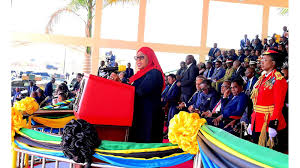
The October 2025 election was seen as a key test of Tanzania’s democratic progress under President Suluhu, the country’s first female head of state.
She came to power in 2021 after Magufuli’s death, promising reforms and reconciliation. However, critics say her administration has increasingly tightened control over opposition voices and the media.
With CHADEMA refusing to accept the results and street demonstrations spreading, observers warn that political tension could deepen unless an independent review or dialogue is initiated to restore public trust.
The government has not yet commented on the opposition’s claims but maintains that the election was conducted “peacefully and according to the law.”