Tanzania has announced plans to increase its fuel reserves following the ongoing conflict in the Middle East, a region that plays a major role in global oil production. The move is aimed at protecting the country from possible fuel shortages and rising prices.
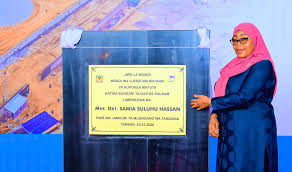
On March 3, 2026, President Samia Suluhu Hassan launched the construction of new bulk fuel storage tanks at the Port of Dar es Salaam. The project is part of the government’s strategy to strengthen energy security and ensure that Tanzania has enough fuel in case global supply chains are disrupted.
The Middle East conflict has raised concerns worldwide, as any instability in the region can affect oil production and transportation. This often leads to higher fuel prices and supply challenges for countries that rely on imported petroleum products, including Tanzania.
Speaking at the event, President Samia said the new storage facilities will help the country maintain stable fuel supplies even during global crises. The tanks will allow Tanzania to store larger quantities of fuel for a longer period, reducing the risk of sudden shortages.
The Port of Dar es Salaam is a key entry point for fuel imports not only for Tanzania but also for several neighboring landlocked countries. By expanding storage capacity, the government hopes to improve supply reliability and support economic activities that depend heavily on fuel, such as transportation, manufacturing, and agriculture.
Energy experts say building strategic fuel reserves is an important step toward economic stability. It helps control price shocks and protects businesses and consumers from sudden increases in fuel costs.
The government has assured citizens that it is closely monitoring global developments and taking proactive measures to safeguard the nation’s energy needs. The new fuel storage project is expected to boost investor confidence and strengthen Tanzania’s preparedness during uncertain global times.
In summary, Tanzania’s decision to expand its fuel reserves reflects a forward-looking approach to managing risks linked to international conflicts and energy markets. The initiative aims to secure the country’s fuel supply, stabilize prices, and protect the economy from external shocks.