In a world that is quickly changing because of technology, urban life and globalization, Mohamed Masaga has chosen a different path — protecting and promoting the traditions of the Sukuma people.
The Sukuma are the largest ethnic group in Tanzania, mainly found in the Mwanza, Simiyu and Shinyanga regions. Their culture is rich in music, dance, storytelling and traditional beliefs. But like many African traditions, it faces pressure from modern lifestyles and foreign influences.
A Passion for Culture
Masaga, who grew up in a Sukuma community near Lake Victoria, says his love for culture began at a young age. He watched elders perform traditional dances, play drums and teach moral lessons through folktales.
As he grew older, he realized that many young people were losing interest in their roots. Western music, fashion and social media were slowly replacing traditional practices.
“I saw that if we do not protect our culture, it will disappear,” he says.
Promoting Sukuma Music and Dance
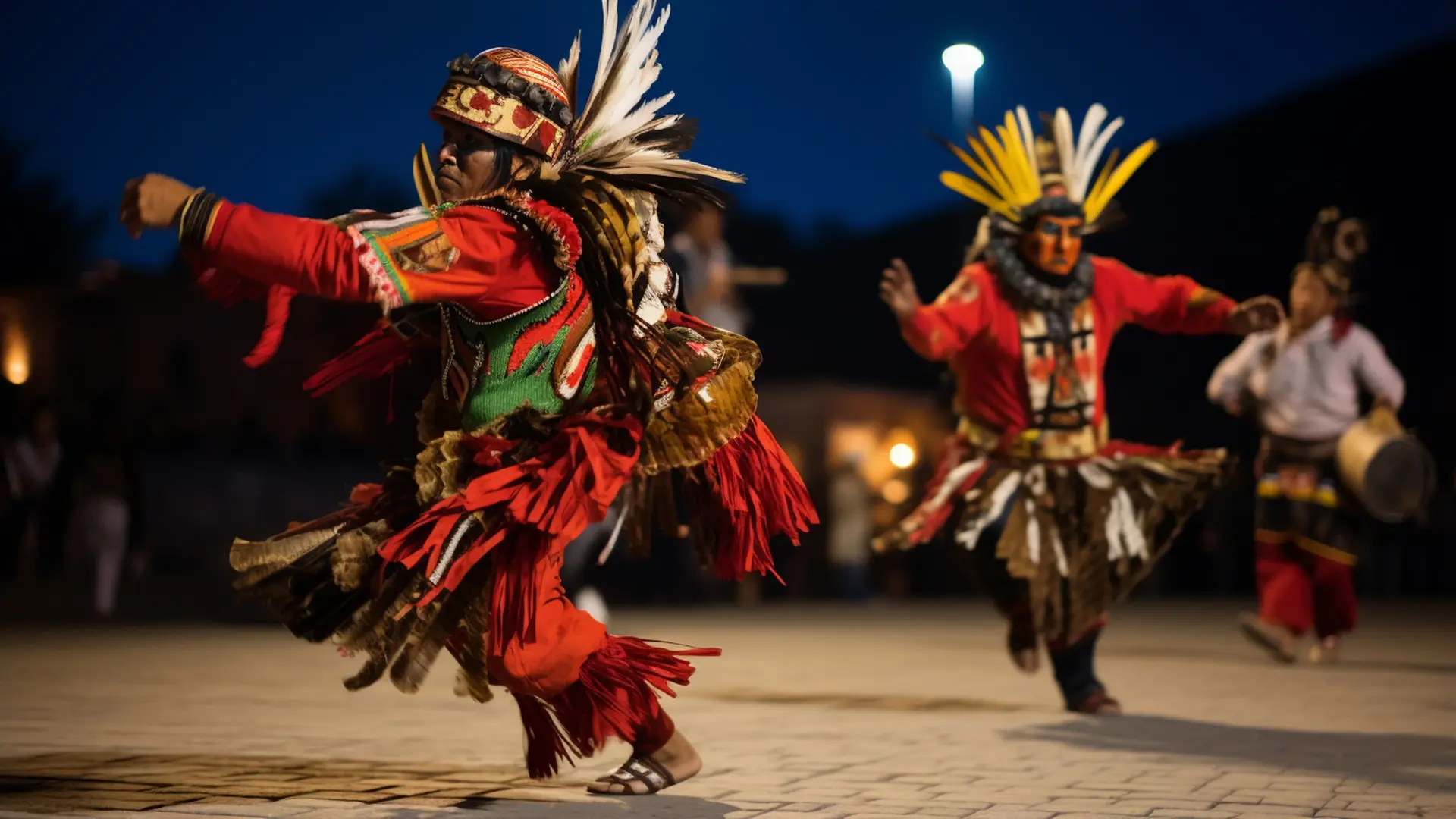
One of the most famous elements of Sukuma culture is traditional dance, especially performances accompanied by the powerful Bugobogobo drums. These dances are performed during celebrations, harvest seasons and community ceremonies.
Masaga has been organizing cultural events and training young people in traditional drumming and dance. Through workshops and festivals, he encourages youth to learn the meaning behind the movements and songs.
He also works closely with cultural centres such as the Bujora Sukuma Museum in Mwanza, which preserves Sukuma history and artifacts.
Blending Tradition with Modern Life
Masaga believes culture should not be frozen in time. Instead, he supports blending tradition with modern platforms. He uses social media to share videos of performances and educational content about Sukuma customs.
By doing this, he reaches young Tanzanians who spend most of their time online. He says modern tools can help protect tradition instead of destroying it.
“Globalization is not the enemy,” he explains. “We just need to use it wisely to tell our own stories.”
Teaching Values and Identity
Beyond music and dance, Sukuma culture teaches respect, unity and responsibility. Elders traditionally guided young people through storytelling and community rituals.
Masaga says restoring cultural pride helps young people understand who they are and where they come from. This sense of identity can build confidence and reduce social problems.
He also calls on schools to include more local history and cultural education in their curriculum so that children grow up appreciating their heritage.
Challenges Along the Way
Keeping traditions alive is not easy. Funding for cultural programs is limited, and some people see traditional practices as outdated.
However, Masaga remains hopeful. He believes that when communities value their roots, they become stronger and more united.
Looking Ahead
As Tanzania continues to modernize, voices like Mohamed Masaga’s remind the country that development and tradition can go hand in hand.
By teaching the next generation about Sukuma music, dance and values, he is helping ensure that one of Tanzania’s richest cultures remains alive — not only in museums, but in everyday life.
In a fast-moving global world, Masaga’s message is simple: know your roots, protect your identity, and carry your culture proudly into the future.