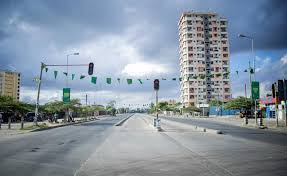
Tanzania’s 64th Independence Day on December 9, 2025, was unlike any other in the country’s history, marked by an eerie silence as the government imposed a blanket ban on demonstrations. What should have been a day of parades and national celebrations was overshadowed by heavy security and an atmosphere of caution, following ongoing unrest after the controversial October elections.
President Samia Suluhu Hassan, who was declared the winner of the October 29 election with an overwhelming 98 percent of the vote, faced widespread allegations of election irregularities. The post-election period saw violent clashes between opposition supporters and security forces, with reports of hundreds killed and over 2,000 arrested. As a result, authorities moved swiftly to prevent further unrest on the Independence Day, a symbolic occasion for the nation.
In a move that drew criticism from opposition groups and civil society, the government canceled all official Independence Day events, redirecting funds initially allocated for celebrations to repair infrastructure damaged during the post-election turmoil. Prime Minister Mwigulu Nchemba announced that citizens were urged to celebrate privately at home rather than participate in public festivities. Security forces were deployed across major cities to maintain order, with a noticeable presence in Dar es Salaam and Dodoma, the capital. While the streets were largely empty, unverified reports indicated that small, informal gatherings and protests took place in some areas, as activists continued to push for democratic reforms and accountability.
Despite government efforts to maintain calm, international bodies expressed concerns about the integrity of the election process. The African Union (AU) and the Southern African Development Community (SADC) withheld their endorsement of the election results, citing irregularities and a lack of transparency. Human rights organizations, including Human Rights Watch and the UN Office of the High Commissioner for Human Rights, condemned the government’s crackdown on opposition supporters and called for the restoration of freedoms of expression and assembly.
The Independence Day, traditionally a day of national pride and reflection on Tanzania’s sovereignty since gaining independence from Britain in 1961, was instead a somber occasion for many Tanzanians. The festive spirit was replaced by a collective reflection on the high human cost of political unrest, with citizens wondering what lies ahead for the country’s democratic future.
For many in the country, the shadow of the post-election violence and the ongoing government response to dissent meant that this year’s Independence Day was far from a celebration. Instead, it served as a reminder of the deepening political crisis and the fragile state of Tanzania’s democratic institutions.
Tanzania, a country known for its relative stability in East Africa, faces a challenging road ahead as it tries to navigate both internal divisions and external pressure to uphold human rights and democratic principles. The international community remains watchful, hoping for a peaceful resolution to the political tensions that continue to grip the nation.