Long distances to and from school remain a significant challenge for many students, particularly in rural areas, where limited transport infrastructure continues to affect access to education and overall academic performance.
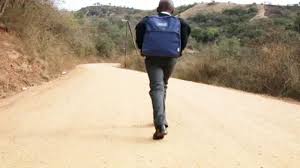
According to research published in the International Journal of Teaching, Learning and Education, inadequate public transport systems—especially outside urban centers—are a major reason why students are forced to walk long distances daily. These journeys, often taken on foot, can have far-reaching consequences on learners’ physical well-being, concentration, and academic outcomes.
For many students, the day begins and ends with exhausting treks that consume valuable time and energy. By the time they reach school, fatigue may already have set in, making it harder to focus during lessons. Similarly, the long journey back home can limit the time available for homework, rest, and other developmental activities.
The impact goes beyond academic performance. Prolonged walking distances can discourage school attendance altogether, increasing the risk of absenteeism and, in some cases, dropout—especially among younger children. In harsh weather conditions or difficult terrain, the burden becomes even heavier.
These challenges highlight broader inequalities in access to education, particularly between urban and rural communities. While some students benefit from reliable transportation and nearby schools, others must endure daily hardships simply to access basic learning opportunities.
Experts suggest that improving rural transport networks, investing in more local schools, and introducing supportive policies could help reduce the burden on students. Addressing these gaps would not only improve attendance but also create a more equitable learning environment.
Ultimately, the issue of long walks to school underscores the need for sustained investment in infrastructure and education systems to ensure that all students, regardless of location, have a fair chance to succeed.