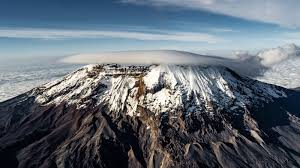
According to recent observations, the ice and snow coverage on Mount Kilimanjaro has increased to 5.92 square kilometres.
This measurement marks a notable development in the ongoing monitoring of the mountain’s glaciers, which have been shrinking over past decades due to climate change and rising temperatures.
Scientists continue to track Kilimanjaro’s ice cap closely, as it serves as a key indicator of environmental and climatic shifts in the region. The mountain’s glaciers are also critical to local water sources, biodiversity, and tourism.
Experts highlight that while this rise may indicate short-term accumulation, the long-term trend for Kilimanjaro’s ice remains a concern, emphasizing the need for sustained environmental monitoring and climate action.
The update comes alongside broader regional reporting on Tanzania’s environmental and infrastructure developments, reflecting the country’s growing focus on climate and natural resource management.