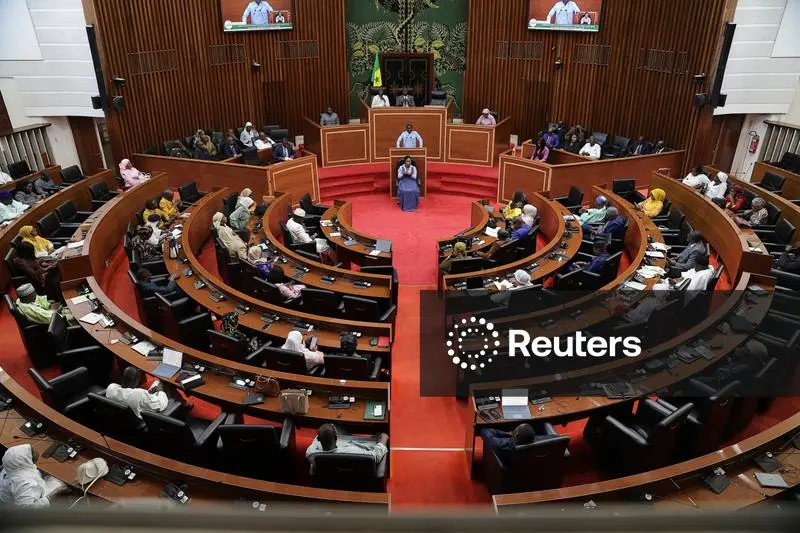
Lawmakers in Senegal have approved legislation that doubles the maximum penalty for same-sex relations, increasing prison sentences to up to 10 years, in a move that has intensified debate about LGBTQ rights in the West African nation.
The bill, passed by an overwhelming majority in the National Assembly of Senegal on Wednesday, now awaits the signature of President Bassirou Diomaye Faye to become law.
Tougher penalties under new legislation
Under the new law, what the legislation describes as “acts against nature”, a term commonly used to refer to same-sex relations, will now carry prison sentences of five to 10 years, compared with the previous range of one to five years.
The law also introduces additional penalties targeting individuals accused of promoting or financing same-sex relationships, who could face three to seven years in prison.
Financial penalties have also been significantly increased. Offenders could face fines ranging from two million to 10 million CFA francs (approximately $3,500 to $17,600), compared with previous fines between 100,000 and 1.5 million CFA francs.
Wave of arrests and enforcement
Media reports indicate that dozens of arrests have been made since February under Senegal’s anti-LGBTQ laws. In one case, police detained 12 men, including two local celebrities, marking the beginning of a series of recent arrests.
Authorities have reportedly relied on phone searches and accusations from the public to identify suspects, with the names of some detainees widely circulated in local media.
However, the new law also introduces penalties for individuals who falsely accuse others of same-sex offences without evidence, an addition lawmakers say is intended to prevent misuse of the legislation.
Political and social debate
The bill was approved after hours of debate, with 135 lawmakers voting in favour, none opposed, and three abstaining.
During the debate, legislator Diaraye Ba declared that the legislation would ensure that “homosexuals will no longer breathe in this country,” a remark that drew applause from some members of parliament.
The legislation was presented by Prime Minister Ousmane Sonko, who had previously pledged to strengthen laws against same-sex relations.
However, critics say the new law still keeps the offence classified as a misdemeanour, rather than upgrading it to a more serious criminal offence as Sonko had earlier suggested.
Religious and cultural pressure
The tightening of penalties follows growing pressure from religious groups in the Muslim-majority country, where homosexuality remains widely opposed socially and politically.
Religious organizations have staged protests in recent years calling for tougher action against LGBTQ activity, which many activists and community leaders describe as foreign influence promoted by Western countries.
Broader African context
Senegal is among more than 30 African countries that criminalize same-sex relations. In several states, penalties range from long prison sentences to capital punishment.
According to regional legal frameworks, the death penalty for same-sex relations is imposed in countries such as Uganda, Mauritania and parts of Somalia, while others impose prison terms that can extend to life sentences.
The passage of the new law highlights the ongoing tension between human rights advocacy and prevailing social attitudes toward LGBTQ issues across much of the African continent.