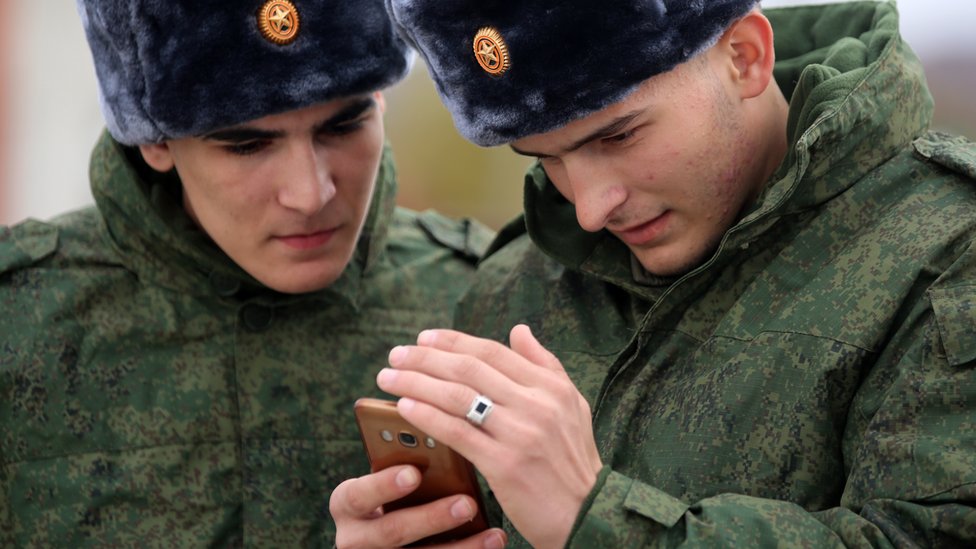
Russia’s Minister for Digital Development, Maksud Shadayev, has said that foreign intelligence agencies may be able to access messages sent by Russian soldiers through the Telegram messaging app.
According to Russia’s Interfax news agency, Shadayev warned that there are “numerous indications” that foreign spies are monitoring correspondence on Telegram and using that information against the Russian military, especially those fighting in Ukraine.
Telegram Widely Used by Troops
Telegram is one of the most popular messaging platforms in Russia. It is widely used by civilians, government officials, and members of the armed forces because of its encrypted messaging features.
Despite the security concerns raised, Shadayev said the Russian government will not immediately block Telegram for troops. He explained that authorities need time to shift soldiers to other communication systems but did not give further details.
Telegram has not yet publicly responded to the minister’s remarks.
Government Pressure on Foreign Apps
Russia’s communications regulator, Roskomnadzor, has already slowed down Telegram’s services, saying the company failed to remove what authorities describe as extremist content.
The Kremlin recently confirmed that WhatsApp, owned by Meta Platforms, has been completely blocked in Russia for failing to follow local laws. Authorities have encouraged citizens to use a state-backed messaging app known as MAX instead.
Critics, however, argue that MAX could be used for government surveillance. Russian officials deny these claims.
Telegram Founder Responds
Telegram’s founder, Pavel Durov, recently defended the platform, saying it remains committed to protecting user privacy and freedom of speech despite political pressure.
Russia previously tried to block Telegram in 2018, but the move led to large public protests in Moscow and other cities. The government later lifted the ban.
Political Reaction
The opposition Yabloko party has applied for permission to hold a rally in Moscow on March 1 to defend Telegram, describing it as “the last space of freedom in Russia.” However, public protests in Russia are often denied permission by authorities.
Security and Privacy Debate
The latest warning highlights growing tension in Russia between national security concerns and digital privacy rights. As the war in Ukraine continues, communication security remains a sensitive issue for the military.
It is unclear whether Russia will fully restrict Telegram in the future, but officials say changes to military communication systems may be introduced in the coming months.