Russia’s recent move to block major social media platforms has sent shockwaves through the country, raising questions about the future of online communication, business, and public discourse.
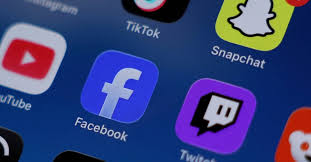
The government, citing concerns over national security, the spread of “illegal content,” and foreign interference, has restricted access to platforms including Twitter, Facebook, and Instagram. Authorities have promised that these measures are temporary, but experts warn the effects could be long-lasting.
The Impact on Citizens
For ordinary Russians, the ban has disrupted daily communication. Millions relied on these platforms not only to stay in touch with family and friends abroad but also to access news, participate in online communities, and conduct business.
Many have already turned to virtual private networks (VPNs) to bypass restrictions, though the government has announced plans to crack down on unauthorized VPN use.
Business and Economy at Risk
Businesses operating in Russia face a new set of challenges. E-commerce companies, digital marketing firms, and startups that depended on social media to reach customers are now forced to pivot to domestic alternatives, such as VKontakte and Odnoklassniki.
Analysts warn that this shift may limit international investment and isolate Russian businesses from global markets.
The Rise of Domestic Platforms
The government is pushing domestic social media apps as alternatives, framing them as safer, “patriotic” options. Experts say these platforms are more closely monitored, raising concerns about censorship and data privacy.
Some Russians see this as an opportunity to support homegrown tech, but others fear it will stifle free expression and reinforce government control over online narratives.
Political and Social Implications
Critics argue that the bans mark a broader trend toward tightening state control over public discourse. Political analysts warn that limiting access to independent news and social networks could reduce citizens’ ability to organize, share dissenting opinions, and challenge misinformation.
Meanwhile, government supporters claim the measures protect the nation from “foreign propaganda” and harmful content.
What Comes Next?
Experts predict that Russia will continue to strengthen its “sovereign internet,” implementing stricter regulations and monitoring tools to control online activity. International tech companies may face increasing pressure to comply with Russian data laws, or risk being blocked entirely.
Some analysts believe this could accelerate the development of an isolated Russian internet, creating a digital ecosystem largely disconnected from the global web. Others fear it may deepen political polarization and limit access to independent information.
For Russians, the road ahead is uncertain. While some adapt by shifting to domestic platforms or using workarounds, others worry about long-term implications for freedom of expression, business, and international connectivity.