The recent death of US actor James Van Der Beek has once again drawn attention to a worrying health trend: more people under the age of 50 are being diagnosed with colorectal cancer, and doctors still do not fully understand why.
Van Der Beek, best known for his role in Dawson’s Creek, died last week at the age of 48 after battling the disease. His death follows that of Chadwick Boseman, the star of Black Panther, who died from the same cancer in 2020 at just 43.
Cases Rising Among the Young
Health experts say the number of people under 50 diagnosed with colorectal cancer has increased by about one-third since the 1990s. In the United States, it is now the leading cause of cancer-related deaths among this age group.
However, specialists stress that most cases still occur in older adults. Only a small percentage — around six percent — of all colorectal cancer cases are diagnosed in people under 50. At the same time, rates among older adults are stable or even falling in some countries due to improved screening programs.
The challenge is that younger people often do not think they are at risk. As a result, many are diagnosed at a later stage when the disease is more advanced and harder to treat.
What Is Causing the Increase?
Doctors have linked colorectal cancer to lifestyle factors such as obesity, poor diet, lack of exercise, smoking and heavy alcohol use. But experts say these reasons alone do not fully explain the sharp rise among younger adults.
Some patients, including Van Der Beek, appeared healthy before their diagnosis. In interviews before his death, he said he had no idea he had stage three cancer despite following health trends and fitness routines.
Researchers are now looking at other possible causes. One area of interest is the gut microbiome — the complex system of bacteria living in the digestive system.
A recent study found that a toxin called colibactin, produced by certain strains of E. coli bacteria, may cause DNA changes linked to colorectal cancer. These mutations were found more often in younger patients than in older ones. However, scientists say much more research is needed to confirm the connection.
Other studies suggest that frequent use of antibiotics could also play a role, but again, there is no clear answer. Experts believe the rise may be caused by a combination of different factors rather than a single cause.
Symptoms and Screening
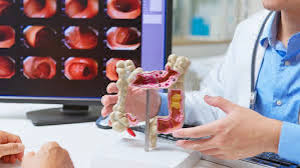
Common symptoms of colorectal cancer include changes in bowel habits such as persistent diarrhoea or constipation, blood in the stool, unexplained weight loss and ongoing fatigue.
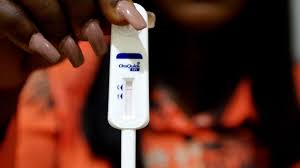
Because of the increase in younger cases, the United States lowered the recommended age for routine colorectal cancer screening from 50 to 45 in 2021. Some experts are urging other countries to consider similar changes.
Before his death, Van Der Beek encouraged people aged 45 and above to speak to their doctors about screening, especially if they notice unusual symptoms.
As researchers continue searching for answers, doctors stress the importance of early detection. They say awareness, regular check-ups and paying attention to warning signs can save lives.