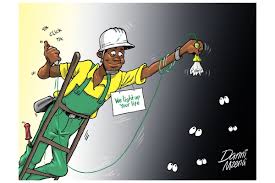
In Tanzania, electricity represents both progress and frustration—a symbol of national development that continues to fall short of everyday expectations. For many citizens and businesses alike, power is not just a utility; it is a daily uncertainty that shapes how they live and work.
On one hand, the country has made notable strides in expanding access to electricity. Infrastructure projects and rural electrification efforts have brought power to areas that once relied entirely on traditional energy sources. These achievements signal commitment and progress, positioning electricity as a driver of economic growth and social transformation.
Yet, this progress is shadowed by persistent challenges. Frequent outages, unstable supply, and inconsistent service continue to disrupt homes, businesses, and industries. For small enterprises, a sudden blackout can mean lost income. For households, it often means reverting to costly or less safe alternatives. The promise of electrification, while real, remains unevenly fulfilled.
This contradiction has created what can best be described as a love-hate relationship. Tanzanians value the opportunities electricity brings—lighting homes, powering businesses, enabling innovation—but remain frustrated by its unreliability. The gap between access and consistency has become the central issue.
At the heart of the problem lies the need for more resilient systems. Expanding connections is no longer enough; the focus must now shift to improving generation capacity, strengthening distribution networks, and ensuring sustainable energy management. Without these improvements, increased access risks becoming an incomplete solution.
The conversation around electricity in Tanzania is no longer just about reaching more people—it is about delivering dependable power that meets the demands of a growing economy.
Until that balance is achieved, Tanzanians will continue to live in this paradox: connected to the grid, yet often left in the dark.