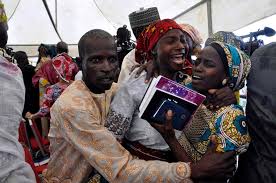
After over two weeks in captivity, nearly 100 schoolchildren who were abducted from a Catholic boarding school in Niger State, Nigeria, are set to reunite with their families.
This momentous event comes on the heels of a mass abduction by armed gangs in late November 2025, one of the country’s most significant kidnapping incidents in recent years.
The children were released on Monday, December 8, 2025, thanks to the efforts of the Nigerian government, which secured their freedom. The children were then transferred to the local government in Minna, the capital of Niger State, where they began their long-awaited journey back home.
On Tuesday, December 9, 2025 they were escorted by security forces to their remote village in Papiri, located three hours from the town of Kontagora, for the emotional reunion with their parents.
Daniel Atori, a spokesman for the Christian Association of Nigeria (CAN), the organization that owns the school, confirmed that the children were safely en route to their families, following their release by the government.
“This morning the children were escorted to Kontagora, and from there, they will be taken to Papiri, where they will be reunited with their families,” Atori said.
The abduction took place at St. Mary’s Co-Educational Boarding School in Niger State, where over 315 students and staff were abducted by heavily armed attackers.
This kidnapping is part of a broader surge in mass abductions across Nigeria, a trend that has plagued the country in recent years. It is reminiscent of the infamous 2014 Boko Haram kidnapping of schoolgirls in Chibok, which shocked the world.
While the exact details of the release remain unclear, with authorities not disclosing how the children were freed or identifying any arrests, a significant number of students had escaped in the aftermath of the attack.
Reports indicate that about 50 children managed to flee immediately, and as of the most recent updates, around 165 are believed to still be in captivity. However, President Bola Tinubu’s office confirmed that 115 children were released.
The swift return of the children to their village, while a cause for celebration, has drawn concern from some quarters. Officials from international charities, as well as medical professionals, have expressed regret that the children were not provided with adequate mental health care or medical assistance before being sent home.
According to one such official, “The children were quickly taken back to their village before receiving psychological support or the results of important medical tests that could have identified those in need of urgent care.”
The Nigerian state government had previously announced that the children would undergo medical evaluations before being reunited with their families, but the rapidity of their return raised concerns about whether these crucial health checks were fully carried out.
Despite these concerns, the children’s release marks a rare moment of hope in a year marred by such abductions. It also highlights the ongoing challenges facing Nigeria as the country grapples with an increase in violent crime, including abductions, which have severely impacted the safety of students and communities across the country.
As the families prepare for the return of their loved ones, Nigeria continues to deal with the aftermath of this harrowing incident and the broader crisis of abductions that has gripped the nation.