Kenya is facing a concerning shift in its HIV/AIDS landscape, with new data showing a sharp rise in infections in several counties and an increase in AIDS-related deaths for the first time in years.
According to the National Syndemic Disease Control Council (NSDCC), Nairobi County recorded the highest number of new HIV infections in 2024, contributing significantly to the national burden. The county registered 3,045 new cases, placing it ahead of Migori (1,572) and Kisumu (1,341).
Overall, the number of new infections in Kenya rose by 19%, increasing from 16,752 to 19,991 within a year. NSDCC noted that ten counties—Nairobi, Migori, Kisumu, Homa Bay, Busia, Siaya, Kakamega, Nakuru, Mombasa, and Bungoma—accounted for 60% of all new infections.
The council said this concentration reflects persistent regional inequalities and underscores the need for county-specific strategies to achieve equitable epidemic control.
The Kenya HIV Estimates Report, also released on Sunday, shows that the national prevalence stood at 3.0%, with women disproportionately affected at 4.0%, compared to 2.0% among men. NSDCC emphasized that infections remain highest among youth aged 15 to 34, who continue to form the majority of new cases.
In addition to rising infections, the country recorded a worrying increase in AIDS-related deaths. The report shows that 21,007 deaths occurred in 2024, up from 18,473 in 2023—an increase of about 0.05.
“AIDS-related deaths… remind us of the need for renewed focus on early diagnosis, treatment adherence, and retention in care,” said Health Principal Secretary Ouma Oluga, urging counties to intensify support systems for people living with HIV.
Despite the overall national rise, the NSDCC highlighted important progress in several regions. Counties including Elgeyo-Marakwet, Wajir, Mandera, Kisii, Machakos, Kericho, Uasin Gishu, Nakuru, Bomet, Baringo, Trans-Nzoia, and Laikipia recorded a 75% drop in new infections, showing the impact of targeted prevention and treatment programs.
The council further reported that by 2024, 1,326,336 Kenyans were living with HIV, including 62,798 children. Notably, NSDCC projected that by 2025, the country had achieved a 52% decrease in new infections, attributed to expanded access to prevention tools, increased testing, and community-level interventions.
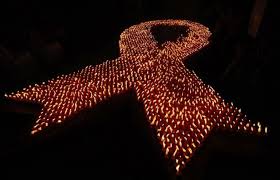
As Kenya prepares to mark World AIDS Day, the findings serve as both a warning and a call to action—highlighting areas of progress while revealing gaps that must be urgently addressed to curb new infections and reduce preventable deaths.