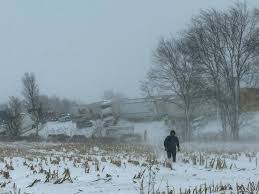
A powerful winter storm has wreaked havoc across much of the United States, bringing icy conditions, freezing rain, and bone-chilling cold, with temperatures plunging into dangerous levels. The storm system, which began sweeping through the Southwest and Central U.S., has now moved toward the Northeast, threatening millions of Americans with blackouts, transportation chaos, and dangerously low temperatures.
By January 24, 2026, the storm had already dumped heavy snow across the central U.S., including in states like Kansas, Oklahoma, and Missouri, where some areas reported up to 8 inches (20 cm) of snow. The storm’s reach is extensive, with 240 million people at risk from Colorado to Maine. Shoppers in affected areas scrambled to prepare, emptying supermarket shelves as forecasts warned of catastrophic ice accumulations and more snow to come.
Flight Cancellations and Travel Chaos
The storm has already caused significant disruptions to air travel, with over 14,000 flight cancellations across the country by the weekend, according to FlightAware. Thousands more were delayed, stranding passengers in airports and making travel a nightmare.
In cities like Dallas, which is usually known for its mild January weather, the storm brought freezing rain and temperatures dropping to 21°F (-6°C). Though Texas officials assured the public that the state’s power grid was more resilient than it was during the deadly storm of 2021, over 180,000 homes and businesses had lost power by early Sunday, including 45,000 in Texas and 67,000 in Louisiana.
Warnings and Emergency Responses
The National Weather Service (NWS) has issued multiple warnings, predicting dangerous driving conditions due to the icy roads and advising people to stay home if possible. New York Governor Kathy Hochul echoed these warnings, emphasizing that just five or six minutes outside could be life-threatening due to the extreme cold. The storm is also expected to bring heavy ice accumulations that could cause long-duration power outages and damage to trees and infrastructure.
With wind chills expected to dip as low as -50°F (-45°C) in the Northern Plains and Upper Midwest, authorities are urging people to take precautions to protect their health and homes. The dangerous cold is expected to last through the following week, and the NWS has warned that these extreme conditions could result in frostbite within minutes for anyone exposed to the cold for extended periods.
A Polar Vortex and Climate Change Debate
The ongoing storm is a result of a polar vortex disruption, where Arctic air, typically contained in a compact circular system, has spilled southward, affecting large parts of North America. Scientists have been debating the potential link between these disruptions and climate change, although some argue that the phenomenon is part of natural variability.
However, President Donald Trump, who is currently riding out the storm in the White House, has openly mocked climate change science, tweeting, “WHAT HAPPENED TO GLOBAL WARMING??” in response to the storm’s extreme cold, aligning with his past views on climate-related issues.
President Trump’s Response
As the storm continued its destructive path, President Trump reassured Americans, stating on Truth Social, “We will continue to monitor and stay in touch with all States in the path of this storm. Stay Safe, and Stay Warm!” The Federal Emergency Management Agency (FEMA), along with other local authorities, has urged people to stay informed and take appropriate steps to protect themselves, particularly vulnerable individuals and communities.
Looking Ahead
While the storm is expected to begin weakening in the coming days, its impact on the U.S. economy and daily life could be felt for weeks. With power outages, damaged infrastructure, and widespread travel disruptions, the country is bracing for an extended period of recovery. Many will be left grappling with the aftermath, especially in areas less accustomed to such severe winter weather.
As the storm moves on, it serves as a reminder of the increasing severity of extreme weather events and the need for continued vigilance and preparedness, particularly as the debate over the causes of climate disruption continues to evolve.