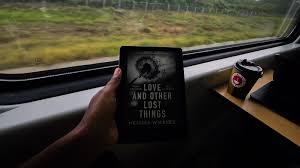
In her latest novel, Love and Other Lost Things, author Melissa Wiesner delivers a deeply emotional story that explores the harsh realities of abusive relationships and the difficult journey toward healing.
The book follows Jane, a young mother trapped in a toxic and controlling marriage with her husband, Matteo. At first, Matteo appears charming and supportive, but behind closed doors, he becomes manipulative and emotionally abusive. As the story unfolds, readers witness how Jane slowly begins to recognize the danger she is in and struggles to find the courage to leave.
One of the strongest aspects of the novel is its honest portrayal of how hard it is to escape an abusive partner. Wiesner does not romanticize the situation or make it seem simple. When Jane finally reaches out for help, hoping the system will protect her and her child, she is met with disbelief and frustration.
Matteo cleverly manipulates the situation by convincing the police that Jane is suffering from postpartum depression and is a danger to their baby. Because he presents himself as calm and responsible, authorities initially take his side. Through this storyline, Wiesner highlights how easily systems meant to protect victims can be influenced by individuals who know how to appear credible and trustworthy.
The novel explores themes of gaslighting, emotional control, and the isolation that many victims of abuse experience. Jane’s internal battle — doubting herself, questioning her reality, and fearing for her child’s safety — adds emotional depth to the story.
Despite the heavy subject matter, the book also carries a message of resilience. Jane’s journey toward reclaiming her voice and independence is both heartbreaking and inspiring. Wiesner reminds readers that while the truth can hurt, facing it is often the first step toward freedom.
Love and Other Lost Things is not an easy read, but it is an important one. It shines a light on the hidden struggles many women face and challenges readers to think about how society responds to victims of domestic abuse.
With powerful storytelling and emotional honesty, Melissa Wiesner delivers a novel that lingers long after the final page — a reminder that sometimes the truth hurts, but it can also set you free.