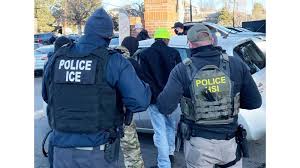
For many Tanzanians living in the United States, daily life has become a careful exercise in invisibility. Routine immigration raids by American authorities are quietly reshaping how they work, move, and interact with society—forcing painful choices that stretch far beyond legal status.
Across cities with significant immigrant populations, fear of encounters with U.S. immigration enforcement agents has pushed some Tanzanians to quit jobs that require physical office attendance, seek remote work, or retreat almost entirely indoors. Others have reduced their movements to the bare minimum, avoiding public spaces, social gatherings, and even routine errands.
The result is a growing population living in a state of self-imposed isolation, not because of criminal wrongdoing, but out of uncertainty and survival.
The quiet impact of routine raids
While immigration enforcement operations are often described as “routine,” their psychological impact is anything but ordinary. The presence—or even rumours—of immigration agents in neighbourhoods, workplaces, or transit hubs is enough to disrupt normal life.
For Tanzanians without secure documentation, or those navigating complex immigration cases, the fear of detention or deportation has altered basic routines. Many now prioritise jobs that allow them to work from home, even if it means lower pay, fewer benefits, or stalled career growth.
Others have chosen to temporarily leave stable employment altogether, calculating that the risk of being identified in a physical workplace outweighs the financial strain of unemployment.
Work, mobility, and social withdrawal
Office buildings, factories, and construction sites—once sources of opportunity—have become perceived risk zones. Some Tanzanians report limiting travel to essential trips only, while others rely heavily on friends or relatives for groceries and necessities.
Social withdrawal has also taken a toll. Community events, religious gatherings, and cultural celebrations have seen reduced attendance as people avoid crowded spaces where enforcement agents might appear.
What emerges is a paradox: in a country built on migration, many immigrants now feel compelled to disappear in plain sight.
A broader deportation paradox
Advocacy groups argue that aggressive or highly visible enforcement tactics create unintended consequences. Instead of encouraging compliance, they push undocumented migrants further into the shadows, making them more vulnerable to exploitation, poor working conditions, and mental health struggles.
For Tanzanians, many of whom migrated in search of education, economic opportunity, or family reunification, the current climate has replaced hope with constant vigilance.
Parents worry about school drop-offs, workers fear commuting, and young professionals carefully curate their online and physical presence to avoid drawing attention.
Emotional and mental toll
Beyond economic disruption, the emotional cost is mounting. Anxiety, stress, and a persistent sense of uncertainty have become part of daily life. Some Tanzanians describe living with packed bags, others avoid long-term commitments altogether, unsure whether they will still be in the country weeks or months later.
Mental health professionals note that prolonged fear and isolation can have lasting consequences, particularly for families and children who absorb the tension even when not directly targeted.
Resilience amid uncertainty
Yet, amid the fear, resilience persists. Informal support networks have grown stronger, with Tanzanians sharing information, job leads, and coping strategies. Digital platforms have become lifelines—connecting people to remote work opportunities, legal advice, and community solidarity.
Still, many say resilience should not be mistaken for acceptance.
As immigration enforcement continues to shape everyday decisions, Tanzanians in the U.S. remain caught in a deportation paradox: striving to contribute, work, and belong, while quietly adjusting their lives to remain unseen.