In Uganda’s January 15, 2026 presidential election, President Yoweri Museveni secured a seventh term in office with approximately 71.6% of the vote, while opposition leader Robert Kyagulanyi Ssentamu, widely known as Bobi Wine, received about 24.7% according to the official results announced by the Electoral Commission.
Several key factors contributed to this outcome:
1. Long‑standing Incumbency and Established Support Base
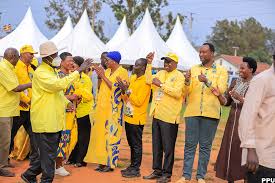
President Museveni has been in power since 1986 and leads the National Resistance Movement (NRM), a party with deep organisational structures and influence throughout the country. His tenure has allowed the NRM to build extensive grassroots networks, which continued to mobilise voters for him in 2026.
2. Official Vote Count and Turnout Patterns
According to the Electoral Commission, voter turnout in the 2026 polls was around 52%, the lowest since Uganda returned to multiparty politics in 2006. Lower turnout can sometimes benefit well‑established parties with predictable voter bases, such as the NRM.
3. Broad National Recognition and Messaging
President Museveni’s campaign emphasised continuity, stability, and his long experience in governance—messages that resonated with many Ugandan voters across various regions. His leadership during regional instability was highlighted in public discourse as a reason for continuity.
4. Structural Advantage of the Ruling Party
Analysts have noted that the ruling party’s extended control over state resources and institutions in Uganda can create a structural advantage in elections. While this has been a feature in past polls, it continued to shape the competitive landscape in 2026, reinforcing the ruling party’s dominance.
5. Diversified Candidate Field
In addition to Bobi Wine and President Museveni, the election featured several other candidates from smaller parties who collectively attracted a portion of the vote. This broader field meant that opposition votes were spread across multiple challengers, while Museveni consolidated support for a single dominant candidate.
6. Deep‑Rooted Political Dynamics
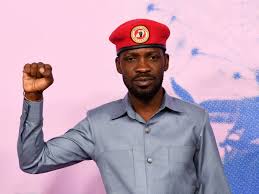
Uganda’s political history features long incumbencies and shifts in voter loyalties over time. While Bobi Wine’s National Unity Platform (NUP) has seen strong support, especially among urban and youth voters, this was not sufficient to outweigh the broader nationwide support for the incumbent president in 2026.
Conclusion
In summary, Bobi Wine’s defeat in the 2026 presidential election can be attributed to the enduring strength and organisation of the ruling party, Museveni’s broad support base and messaging, the distribution of votes among multiple candidates, and the electoral environment shaped by decades of incumbency. Combined, these factors helped President Museveni maintain a commanding lead over the opposition in the official results.