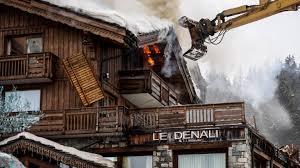
The COP30 climate summit has ended in Belem, Brazil, after two weeks of heated debates, protests, and tough negotiations. Despite the tension — including street marches and even a fire near the venue — nearly 200 countries agreed on several important decisions aimed at fighting climate change.
The talks took place under huge tents at a former airport on the edge of the Amazon rainforest, symbolizing the urgency of protecting one of the world’s largest carbon sinks.
Here is a simple summary of the key outcomes:
1. Fossil Fuels: No Global Phase-Out Plan
One of the most difficult debates focused on fossil fuels.
Countries agreed to continue working together to reduce carbon emissions and keep global warming below 1.5°C. However, the summit did not adopt a clear roadmap to phase out fossil fuels, despite pressure from more than 80 nations.
Instead, the COP30 president offered:
A voluntary fossil fuel transition plan for countries that want to join
A separate voluntary plan to stop deforestation
This means there is still no global agreement on when or how to end fossil fuel use.
2. Adaptation Funding Set to Triple
Developing countries scored a major win.
The final agreement calls for tripling global funding for climate adaptation by 2035.
Adaptation includes measures like:
Building sea walls
Strengthening crops against drought
Protecting coastal communities
Rich countries had already pledged $300 billion a year in climate finance by 2035. If tripled, experts say about $120 billion would now go specifically to adaptation — though exact details still need clarification.
Developing nations argue this funding is crucial because they continue to face the worst climate impacts despite contributing the least to global emissions.
3. Trade Included for the First Time
For the first time in UN climate negotiation history, trade was added to the final text.
Countries will hold a three-year dialogue about:
Carbon taxes on imported goods
Trade barriers affecting climate technologies
How climate rules affect exports
The move came after concerns, especially from China, that climate-linked trade rules could hurt developing economies.
4. Forest Protection Fund Launched
Brazil — home to most of the Amazon — launched a new fund called the Tropical Forests Forever Facility (TFFF).
The fund will:
Pay forest-rich countries for every hectare of forest they preserve
Support anti-deforestation efforts worldwide
So far, the TFFF has received $5.5 billion in pledges from Germany, Norway, Indonesia, France, and Brazil. The long-term goal is to raise $125 billion in public and private funding.
5. Major Methane Reduction Pledges
Seven countries — including Britain, Canada, Germany, Japan, and Norway — committed to achieving “near zero” methane emissions in the fossil fuel sector.
Methane is a powerful greenhouse gas, 80 times more harmful than carbon dioxide over a 20-year period. Cutting methane is one of the fastest ways to slow global warming.
Although COP30 did not deliver a strong fossil fuel phase-out, it achieved progress in forest protection, climate adaptation funding, and methane reduction.
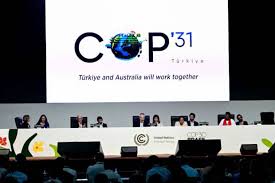
Negotiators will now work on turning voluntary commitments into concrete action before COP31.