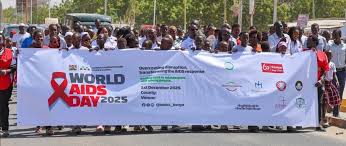
Kenya is intensifying its efforts to reduce new HIV infections as the country races to meet the global goal of ending AIDS as a public health threat by 2030. This comes at a time when HIV cases have begun rising again, especially among young people.
Health officials say that although Kenya has made major progress over the past two decades, new infections have recently increased in several counties due to limited awareness, economic challenges, and reduced funding for HIV prevention programmes.
According to the Ministry of Health, many young women and adolescents remain the most vulnerable group. Experts warn that without stronger prevention measures, Kenya risks reversing years of progress in the fight against HIV.
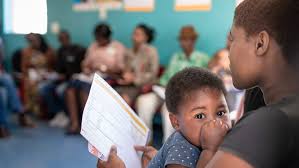
To address this, the government is expanding access to HIV testing, treatment, and prevention tools such as PrEP (pre-exposure prophylaxis). Community health workers have also been deployed to reach high-risk groups in both urban centres and remote areas.
Health Cabinet Secretary Susan Nakhumicha has said the government is partnering with counties, civil society groups, and international health agencies to strengthen awareness campaigns and ensure ARVs remain available to all who need them. She emphasized that achieving the 2030 target will require “sustained commitment from every Kenyan.”
Non-governmental organisations have also called for renewed investment in prevention, especially targeting teenagers, boda boda riders, sex workers, and other groups where infections are rising fastest.
Despite the challenges, Kenya remains one of the African countries with the highest number of people receiving life-saving HIV treatment. Health experts believe that with strong political will, increased funding, and community support, the country can still meet its 2030 goal.