Kenya has officially exited the Common Market for Eastern and Southern Africa (COMESA) Sugar Safeguard regime after 24 years, marking a significant milestone for the country’s sugar industry. This marks the end of a long-standing protective measure that had been in place since 2001, giving Kenya time to restructure its sugar sector.
Key Highlights:
The safeguard, which lapsed on November 30, 2025, was implemented to allow Kenya’s sugar sector time to stabilize and undergo necessary reforms.
The Kenya Sugar Board (KSB) CEO, Jude Chesire, announced that the safeguard had fulfilled its purpose, and Kenya is now ready to compete in the regional market.
Chesire emphasized that the transition should be viewed as a sign of strength and readiness to compete, not vulnerability. He added that Kenya’s sugar industry is stable and well-managed, supported by clear policy direction.
Strategic Focus on Competitiveness:
The policy has shifted from protectionism to fostering competitiveness, with a focus on value addition, efficiency, and diversification.
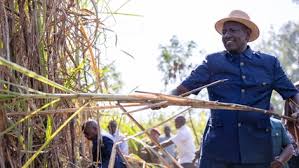
Sugarcane is increasingly being seen as an industrial raw material, with value being realized in products such as ethanol, electricity from bagasse, paper, and industrial alcohols. Kenya is already moving in this direction, with KSB helping millers diversify by-products to strengthen cash flows and farmer payments.
Industry Recovery and Growth:
The industry has seen strong growth, with sugarcane acreage increasing by 19.4% from 242,508 hectares to 289,631 hectares.
Sugar production rose by 76%, from 472,773 metric tonnes in 2022 to 815,454 metric tonnes in 2025.
Despite national demand standing at around 1.1 million metric tonnes annually, domestic production is increasingly aligning with local consumption.
Continued Imports and Climate Impact:
While Kenya has made significant strides in increasing local production, it will still need to import sugar to meet the shortfall. These imports will come from both the COMESA region and other approved sources to ensure price stability and food security without undermining local production.
Climate variability remains a challenge, as dry spells may temporarily reduce production, while good rainfall seasons could boost yields.
Reform Progress:
Kenya’s sugar industry has undergone deep, irreversible structural reforms, including the long-term private leasing of former state-owned sugar mills to restore efficiency, professionalism, and accountability.
The exit from the safeguard reflects the successful completion of a reform cycle, not its abandonment. The government’s support for the sector remains intact and continues to align with ongoing reforms.
Looking Ahead:
Kenya is projected to meet and even surpass domestic demand in the medium term and is positioning itself for surplus production and regional exports.
The exit from the safeguard is viewed as the beginning of a more competitive and self-reliant phase for Kenya’s sugar industry.
Kenya first sought the Sugar Safeguard in 2001 under Article 61 of the COMESA Treaty to allow for sector reforms, and over 24 years with eight extensions, the safeguard has now successfully fulfilled its mission.