The Government of Uganda has approved participation in the Initial Public Offering (IPO) of the Kenya Pipeline Company (KPC), securing a 20.15% strategic stake through the Uganda National Oil Company (UNOC). The move is aimed at strengthening Uganda’s energy security and safeguarding its petroleum supply chain.
The decision, approved by Cabinet, comes less than three years after Uganda amended the Petroleum Products Supply Act, 2023, granting UNOC exclusive rights to import and supply bulk petroleum products including diesel, petrol, Jet A-1 and kerosene for the Ugandan market.
In May 2024, UNOC signed a Transportation and Storage Agreement with KPC to use Kenya’s pipeline infrastructure to import fuel through the Port of Mombasa. The products are transported via pipeline to depots in western Kenya, where Uganda’s Oil Marketing Companies collect them for distribution across the country.
Uganda relies heavily on Kenya for its petroleum imports, with over 95% of its annual demand estimated at 2.96 billion litres passing through Mombasa. The remaining 5% is imported via Tanzanian ports, including Port of Dar es Salaam and Port of Tanga.
Additionally, 65% of transit volumes handled by KPC are destined for Uganda, contributing about 35% of KPC’s total revenues through pipeline and storage fees.
Previously, KPC was fully owned by the Kenyan government, and Uganda relied largely on bilateral relations to guarantee uninterrupted supply. However, plans to privatize KPC raised concerns that private investors could prioritize profits, potentially affecting tariff stability and supply security.
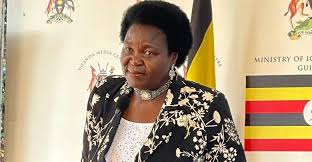
According to Energy and Mineral Development Minister Ruth Nankabirwa, at the media center in Kampala on February 24, 2026, she said acquiring a significant stake in KPC was necessary to protect Uganda’s strategic interests. She said the shareholding secures vital guarantees and protections amid the company’s planned divestment.
Under the agreement, Uganda obtained, including, A 20.15% shareholding in KPC, Veto power over changes to pipeline tariffs, Appointment of at least two directors to the KPC Board, Veto power on revisions to dividend policy, Veto power on major changes to the company’s business plan, Protection against share dilution through control over share capital changes and Veto power on amendments to the company’s Memorandum and Articles of Association.
Minister Nankabirwa stated that these rights provide sufficient safeguards to ensure security of supply, affordability, and accessibility of petroleum products for Uganda.
The government maintains that the acquisition is a strategic investment designed to protect Uganda’s long-term energy interests and maintain stability in fuel supply and pricing.