India has expanded its electronic Tourist Visa (e-TV) programme to cover 166 nationalities, marking a significant step in the country’s strategy to strengthen international tourism and economic engagement.
The latest expansion includes Kenya, Algeria, Armenia, North Macedonia, Fiji, and Uruguay, bringing them into a growing network of countries eligible for India’s fully online visa system. Originally launched in 2014, the e-TV programme allows travelers to apply for and receive visas electronically, eliminating the need for in-person consulate visits.
A Strategic Move to Enhance Tourism
The inclusion of these additional countries reflects India’s continued efforts to simplify travel procedures and position itself as a competitive global destination. Tourism remains a key contributor to India’s GDP, supporting sectors such as hospitality, aviation, retail, and local services.
Officials say the expansion aligns with broader national tourism initiatives, including the Visit India 2026 campaign, which aims to increase international arrivals and strengthen India’s presence in the global travel market.
Under the current system, applicants can complete the visa process online, with approvals often granted within 72 hours. The programme covers tourist, business, and conference categories.
Business and Event Travel Simplified
The Business e-Visa allows short-term visits for meetings, project work, after-sales support, and trade engagement. Meanwhile, the e-Conference visa category enables event organizers and participants to apply online for approved conferences and international gatherings.
This streamlined system is expected to benefit both leisure travelers and business professionals, particularly from emerging markets where outbound travel demand is steadily rising.
Expanding Access Across Regions
The addition of African nations such as Kenya is expected to strengthen travel ties between India and the continent, where outbound tourism is growing alongside expanding middle-class populations.
Similarly, Algeria and North Macedonia provide new opportunities for increased cultural exchange and bilateral tourism development. In the Pacific region, Fiji’s inclusion signals India’s interest in strengthening tourism links with Southeast Asia and island nations.
Uruguay’s entry into the programme opens potential for stronger business and leisure connections between India and South America, particularly among affluent and globally mobile travelers.
Technology Driving Efficiency
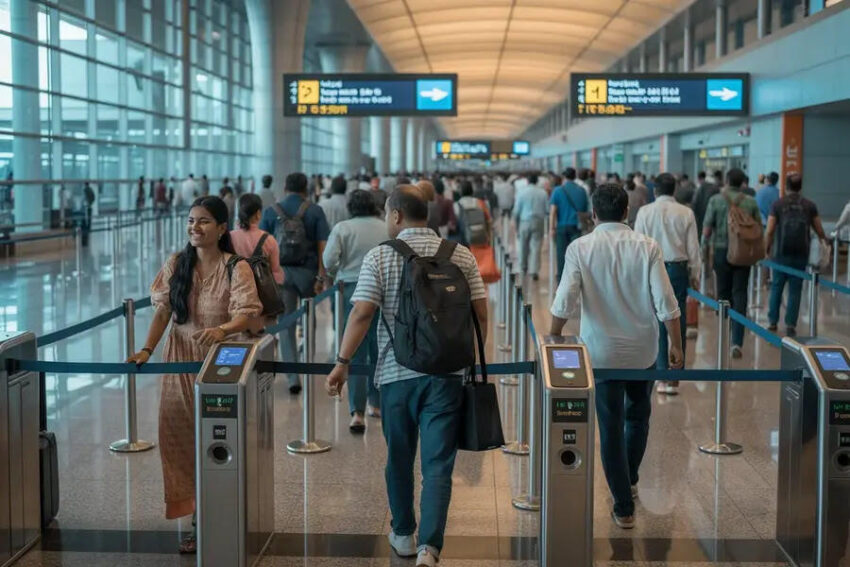
To complement the e-TV expansion, India has integrated biometric Fast-Track Immigration systems under the Trusted Traveler Programme (FTI-TTP). Now operational at 13 international airports, the system allows eligible travelers to clear automated immigration gates in under 30 seconds.
The use of digital systems and biometric verification is designed to enhance security while reducing waiting times, improving the overall visitor experience.
Post-Pandemic Visa Reform
Before the COVID-19 pandemic, only 68 nationalities were eligible for India’s e-TV. The steady expansion to 166 countries reflects a broader shift in visa policy aimed at improving accessibility and competitiveness in the recovering global tourism industry.
Industry analysts note that simplified visa procedures play a critical role in influencing destination choice, particularly as international travel continues to rebound.
Economic Implications
By expanding eligibility and digitizing entry procedures, India aims to increase inbound tourism revenue and create additional opportunities for local businesses. Major cities such as Delhi, Mumbai, Bengaluru, and Jaipur are expected to benefit from increased visitor flows.
Hotels, tour operators, transport providers, and retail sectors stand to gain as easier visa access encourages both first-time and repeat travelers.
Outlook for Further Expansion
Government sources indicate that further additions to the e-TV list remain possible as infrastructure, airport capacity, and digital systems continue to improve.
As global travel demand strengthens in 2026, India’s expanded electronic visa programme positions the country to capture a larger share of international tourism while reinforcing economic and cultural ties worldwide.