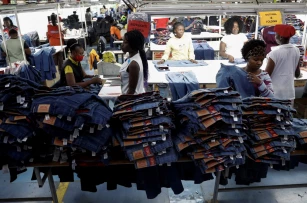
Small and medium-sized enterprises (SMEs) play a very important role in Tanzania’s economy. According to government data, they contribute more than 35 percent of the country’s Gross Domestic Product (GDP) and provide jobs to over five million people. With the African Continental Free Trade Area (AfCFTA) now in force, Tanzanian SMEs have a new opportunity to grow beyond local borders and access regional markets across Africa.
AfCFTA brings together 54 African countries into a single market, reducing trade barriers such as high tariffs, complicated customs procedures, and restrictive regulations. For Tanzanian SMEs, this means easier access to millions of consumers in East, Central, Southern, and West Africa.
However, experts say that many small businesses are not yet fully prepared to take advantage of AfCFTA. One major challenge is limited awareness. Many entrepreneurs do not clearly understand how AfCFTA works, which products qualify for duty-free trade, or how to meet export requirements.
Another challenge is quality and standards. Regional and international markets demand products that meet specific safety, packaging, and certification standards. SMEs are encouraged to invest in improving product quality, proper labeling, and branding to compete effectively.
Access to finance also remains a major barrier. Expanding into regional markets requires capital for production, transport, storage, and marketing. The government and financial institutions are being urged to create affordable credit facilities and trade financing products tailored to SMEs.
Digital tools are also becoming increasingly important. SMEs that use e-commerce platforms, mobile payments, and digital marketing are better placed to reach customers across borders at lower cost. Business development services, training programmes, and trade expos can help entrepreneurs gain the skills they need.
The government has pledged to support SMEs by simplifying export procedures, strengthening trade support institutions, and working with regional bodies to remove non-tariff barriers. Business associations are also encouraging SMEs to form cooperatives and partnerships to reduce costs and increase competitiveness.
If well prepared, Tanzanian SMEs can use AfCFTA not only to expand their markets, but also to create more jobs, increase incomes, and strengthen the country’s position in Africa’s growing intra-continental trade.