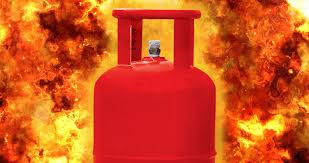
A recent fire and gas depot explosion in Donholm, Nairobi, highlighted the dangers of storing liquefied petroleum gas (LPG) in crowded neighborhoods. Secondary explosions from a local gas depot caused widespread property damage and forced mass evacuations, raising urgent questions about safety and compliance in Kenya’s LPG sector.
The fire reportedly started in a nearby eatery, spread to a clinic, and then ignited a gas depot. Experts say strict safety measures can prevent such disasters.
Key safety measures for LPG retailers and wholesalers:
Maintain Proper Licensing
All LPG businesses must have valid licences from the Energy and Petroleum Regulatory Authority (EPRA). Retailers also need a Single Business Permit and Fire Clearance Certificate, while wholesalers must demonstrate ownership of at least 5,000 branded cylinders or have a verified distributorship. Non-compliance can result in fines of Sh10 million, imprisonment for five years, or permanent shutdowns.
Follow Storage and Infrastructure Guidelines
Depots should be well-ventilated and open-air to prevent gas accumulation. Cylinders must be stored on level, non-combustible surfaces, away from heat sources, and handled carefully to avoid sparks. Rubber or wooden boards can reduce metal-to-metal friction hazards.
Adhere to Operational Safety Protocols
Staff must inspect cylinders daily for leaks, using soap-water tests and checking for the smell of gas. Only licensed cylinders should be accepted, and damaged or expired cylinders must be rejected. Cylinders must be stored upright to ensure proper valve functioning.
Maintain Buffer Zones Between Depots and Buildings
Depots must be located at safe distances from residences, eateries, clinics, and petrol stations. Safety barriers and emergency drills should be in place, especially for high-risk locations. At least two employees per site should have NITA-accredited LPG safety training.
The Donholm incident serves as a stark reminder of the consequences of neglecting safety measures. Proper licensing, infrastructure, and operational protocols can prevent tragedies and protect both businesses and the surrounding community.