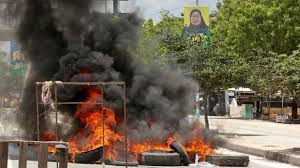
As Tanzania slowly returns to normal after the violent chaos of October 29, a new crisis is emerging — one that cannot be fixed by police patrols or political statements.
Beneath the surface calm, many citizens are struggling with invisible wounds: fear, grief, trauma, and deep uncertainty about the future.
The aftermath of chaos
The events that unfolded across several regions of the country left lasting scars on both people and communities. Homes and businesses were destroyed, families displaced, and loved ones lost.
Streets once full of life have grown quiet, and the sense of safety that Tanzanians once took for granted now feels fragile.
Yet while political leaders have called for reconciliation and accountability, mental health professionals warn that the nation’s psychological healing is being overlooked. The human mind, they say, does not heal as quickly as broken infrastructure.
The silent trauma
“People are trying to move on, but you can see it in their eyes — the fear, the exhaustion, the mistrust,” says a clinical psychologist at Muhimbili National Hospital who has been counseling victims of the unrest. “We talk about rebuilding the economy, but no one is talking about rebuilding people’s minds.”
Counselors report increasing cases of anxiety, depression, insomnia, and post-traumatic stress disorder (PTSD) among survivors, particularly children and women who witnessed violence or lost family members.
Many of those affected have not sought professional help — partly because of stigma surrounding mental health, and partly because psychological services remain limited or unaffordable in many parts of Tanzania.
A call for nationwide healing
The government has promised reforms and accountability after the mayhem, and several civic organizations have launched reconciliation initiatives. But experts argue that psychological healing must be part of any national recovery plan.
Mental health specialist Dr. Martha Ndesamburo emphasizes that without addressing trauma, reconciliation will remain superficial.
“We can rebuild buildings, roads, and markets,” she says, “but if we don’t rebuild people’s hearts, peace will not last.”
Faith leaders, schools, and community groups are now being urged to play an active role in trauma recovery. Experts recommend integrating counseling programs into local health facilities and creating safe spaces where victims can share experiences and begin to heal emotionally.
The role of community
In the aftermath of collective trauma, healing cannot happen in isolation. Community support — listening, empathy, and shared responsibility — is vital. Tanzanians are known for their resilience, but psychologists warn that resilience should not be confused with denial.
“Pretending everything is fine is not strength,” says youth counselor Agnes Kilonzo. “True strength is acknowledging pain and seeking help. That’s how communities recover.”
Across the country, informal healing circles are emerging. In Arusha, for example, youth groups have organized peer discussions about coping with loss. In Dar es Salaam, women’s organizations are offering counseling sessions for mothers affected by the chaos. Such grassroots initiatives offer hope — but they need government support to reach more people.
The way forward
The mayhem of October 29 was not just a political or security failure — it was a human tragedy that exposed the emotional fragility of a nation still learning to process pain. To truly recover, Tanzania must go beyond physical reconstruction and political promises.
Mental health care, community dialogue, and trauma-informed education should be treated as national priorities. Healing minds is as important as rebuilding cities.
Until the psychological wounds of citizens are acknowledged and addressed, peace will remain a temporary illusion — fragile and easily broken.