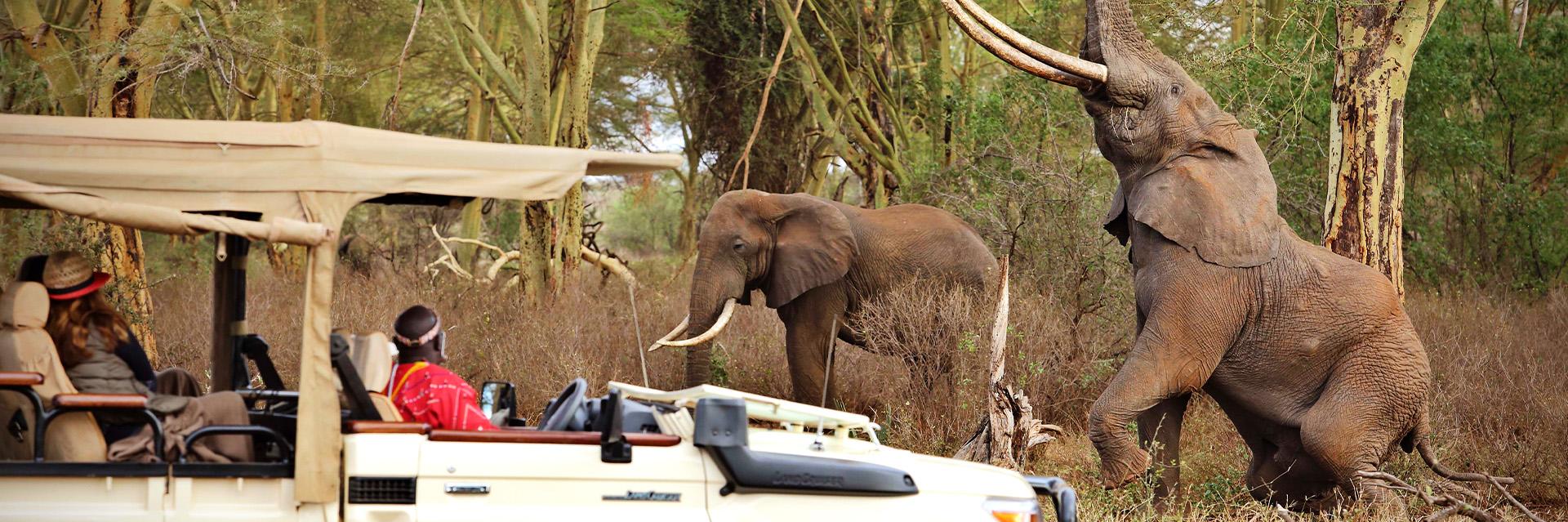
A new global tourism trend is emerging as safari travel continues to surge in popularity, with countries such as Zimbabwe joining leading African destinations like Kenya, South Africa, Tanzania, Uganda, and Rwanda in attracting travelers seeking longer, more luxurious wildlife experiences in 2025.
The shift reflects a growing global appetite for immersive safari adventures, with travelers willing to spend more for exclusive wildlife encounters, personalized itineraries, and sustainable tourism experiences across Africa’s vast natural landscapes.
Rising Global Interest in Safaris
According to the State of Safari 2025 report by Go2Africa, global interest in safari travel has steadily increased in recent years. Data analyzing safari inquiries between 2022 and 2025 shows strong growth, with interest rising 14 percent in 2023, 12 percent in 2024, and another 7 percent in 2025.
Travel planning patterns show that many tourists now research and book their trips earlier, often months or even years in advance. While safari searches typically peak during July and August, which align with Africa’s prime wildlife-viewing season, travelers are increasingly exploring options outside traditional peak months.
Technology is also changing how tourists plan their trips. Modern travelers are turning to artificial intelligence tools and advanced search platforms to research destinations, accommodations, and experiences, supplementing traditional travel resources.
Africa’s Top Safari Destinations
Among safari destinations, South Africa remains the most popular, accounting for 24 percent of all safari inquiries in 2025. The country’s strong tourism infrastructure and iconic wildlife destinations such as Kruger National Park continue to attract global visitors.
Kenya and Tanzania follow closely, representing 21 percent and 19 percent of inquiries respectively. Together, these three countries account for 64 percent of global safari interest.
Meanwhile, Botswana has recorded the fastest growth in safari interest, largely due to its reputation for high-end, luxury wildlife experiences, particularly in areas such as the Okavango Delta and Chobe National Park.
Expanding Safari Experiences
Traditional wildlife adventures remain the backbone of safari tourism. Trips focused on spotting the famous “Big Five” — lion, leopard, elephant, buffalo, and rhinoceros — account for about 25 percent of safari inquiries.
However, travelers are increasingly looking for more diverse travel experiences. Popular options now include:
Beach and safari combinations
Visits to iconic destinations such as Victoria Falls
Migration safaris following wildlife across the savannah
Gorilla trekking in Uganda and Rwanda
Cultural tourism experiences in cities such as Cape Town
These combinations allow travelers to blend wildlife viewing, cultural exploration, and relaxation into a single journey.
Longer Trips and Bigger Budgets
Safari travel patterns are also changing in terms of duration and spending. While 10-day safaris remain the most popular, there is increasing demand for both shorter getaways and extended journeys lasting more than two weeks.
At the same time, traveler budgets are rising. The average safari cost per person increased from about $6,500 in 2023 to approximately $8,625 in 2025, reflecting the growing demand for luxury lodges, private guides, and customized experiences.
Who Is Traveling on Safari?
Couples dominate safari bookings, representing 46 percent of travelers, followed by families at 28 percent. Solo travel is also rising in popularity, increasing from 13 percent in 2024 to 16 percent in 2025, while group trips with friends account for about 10 percent of inquiries.
The largest source market for safari tourism remains the United States, followed by Australia, the United Kingdom, and Canada. Growing interest has also been recorded in markets such as New Zealand, Portugal, and France.
A Growing Market for African Tourism
The continued growth in safari travel highlights a dynamic shift in global tourism, with travelers increasingly seeking unique, sustainable, and premium wildlife experiences.
With countries like Zimbabwe joining established safari leaders such as Kenya, South Africa, and Tanzania, Africa’s tourism sector is expected to benefit from greater international demand for unforgettable wildlife adventures and luxury safari journeys.