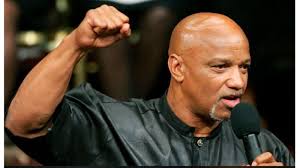
Geronimo Ji-Jaga, born Elmer Gerard Pratt, lived a life shaped by resistance, exile, and global struggle. A senior leader of the Black Panther Party, a decorated Vietnam War veteran, and the godfather of rapper Tupac Shakur, Ji-Jaga’s journey ultimately ended far from the United States—in Tanzania, where his ashes were scattered in accordance with his final wish.
Ji-Jaga died on June 2, 2011, and was cremated shortly afterward. His family later fulfilled his long-held desire for his life’s journey to conclude on African soil, a symbolic return that reflected his political beliefs, Pan-African outlook, and lifelong identification with the global Black liberation movement.
As a prominent figure in the Black Panther Party during its most turbulent years, Ji-Jaga played a key role in organising and leadership. His activism placed him at the centre of intense state scrutiny in the United States, and his life became emblematic of the broader struggles faced by Black radicals of his generation.
Before his political activism, Ji-Jaga served in the US Army and was highly decorated for his service in the Vietnam War. That experience profoundly shaped his worldview, deepening his opposition to racial injustice and state violence upon his return home.
His personal life intersected with popular culture through his close relationship with Tupac Shakur, one of the most influential hip-hop artists of all time. As Shakur’s godfather, Ji-Jaga is widely regarded as having helped shape the rapper’s political consciousness, revolutionary imagery, and uncompromising critique of power.
In his later years, Ji-Jaga spent time outside the United States, eventually forging a deep connection with Tanzania. For him, the country represented more than a destination—it symbolised a spiritual and ideological homecoming, consistent with his Pan-African convictions.
The scattering of his ashes in Tanzania closed a chapter on a life defined by struggle, sacrifice, and transnational identity. It marked the final act of a man who viewed Africa not as a distant origin, but as an enduring anchor for Black history, dignity, and resistance.
Geronimo Ji-Jaga’s legacy endures across political movements, academic debates, and cultural memory—bridging radical activism, military service, and artistic influence, with a life story that spanned continents and generations.