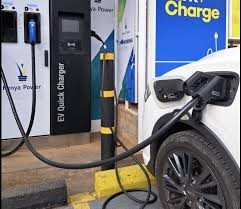
Kenya’s shift toward electric transport is paying off, with Kenya Power reporting significant growth in revenue from electric vehicle (EV) charging.
According to data released by Kenya Power, electricity consumption for charging EVs surged by 188% in 2025. This increase helped the company generate KSh190.8 million, up from KSh64.8 million in 2024—an impressive growth of KSh126 million in just one year.
Surge in Electric Vehicle Usage
Kenya now has over 35,000 registered EVs, with the majority being electric motorcycles, commonly known as boda bodas. The total electricity used by the e-mobility sector rose from 2.9 million units in 2024 to over 8.4 million units in 2025.
The government recently launched the National Electric Mobility Policy, aimed at reducing the country’s $5 billion annual petroleum import bill. The policy encourages green transport by removing excise duty on electric buses, motorcycles, and lithium-ion batteries, making EVs more affordable for both public operators and private commuters.
Supportive Measures and Infrastructure
Kenya Power has introduced a dedicated e-mobility electricity tariff, approved by the Energy and Petroleum Regulatory Authority (EPRA) in March 2023. Customers on this tariff are charged KSh16 per unit during peak hours and KSh8 per unit during off-peak periods. To date, 205 customers have been registered under this tariff.
Kenya Power has also installed five EV chargers at key locations, including Stima Plaza, Donholm, Ruaraka, Electricity House in Nairobi, and Ragati. Additional chargers are being set up in Voi, Mombasa, Nyeri, Nakuru, and Eldoret, making EV charging more accessible across the country.
A Growing Green Economy
Dr. (Eng.) Siror of Kenya Power said the growth in EV electricity consumption not only boosts the company’s revenue but also signals a shift toward a more sustainable transport sector.
“The increase in demand reflects the growing adoption of electric vehicles, and it positions Kenya to save significantly on fuel imports while leveraging our largely renewable energy grid,” he said.
The rising use of EVs and supportive government policies are expected to continue driving growth in the e-mobility sector, creating opportunities for both businesses and consumers while contributing to Kenya’s environmental and economic goals.
This development marks a major step in Kenya’s journey toward a cleaner, greener, and more financially inclusive transport system.